WHAT MARCEL FOUND is the fascinating story of the discovery of the Lascaux Cave Paintings and the curious boy who happened upon them. 😃 AND in this post, author Cedar Pruitt shares an activity for educators!
GIVEAWAY! Just leave a comment below to get into the drawing for a copy of WHAT MARCEL FOUND from Cedar!!
Congrats to Sue Ko, the winner of INDIGO HANDS from Sita Singh!
Digging for Discovery: What Marcel Found
By Cedar Pruitt
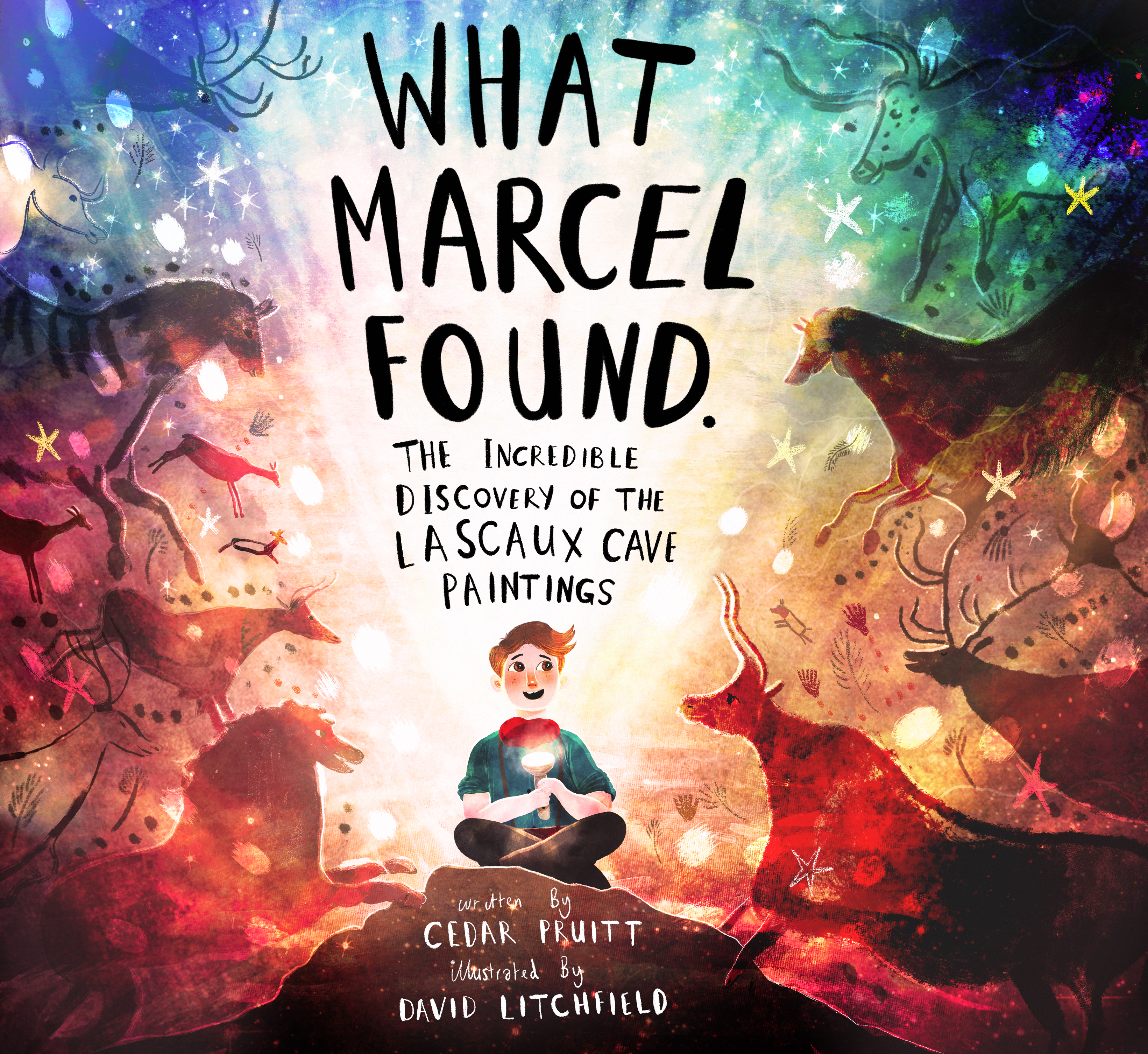
When my daughter walked in the door one afternoon bursting with information from her seventh grade class, I knew I had to drop everything and listen. “Did you know it was KIDS,” she said, “yes, KIDS who discovered the cave art of Lascaux?”
I began tracing the story back, back, back, like I was digging in a forest for treasure. This was a nugget.
Every curriculum is packed with nuggets, as teachers know. But sometimes they stay buried. In the origin story for What Marcel Found: The Incredible Discovery of the Lascaux Cave Paintings, the magic combination to dig it up was a.) the right nugget b.) the right teacher who shared the excitement c.) the right kid to get excited and d.) the kid having a parent constantly swimming in drafts of children’s books.
The curriculum was changed at the end of that year, as fate would have it, and the next year’s class did not hear that particular nugget. Other nuggets, no doubt, took its place. But the excitement my daughter felt, and passed on to me, got polished in this book, and can now sparkle in the hands of everyone who reads it.
What’s exciting about this story, particularly for grades K-3?
Let’s dig through the layers!
- There’s friendship, of course – four boys having an experience together.
- A forest, full of trees rippling in the wind, wild animals slipping by, and possibility.
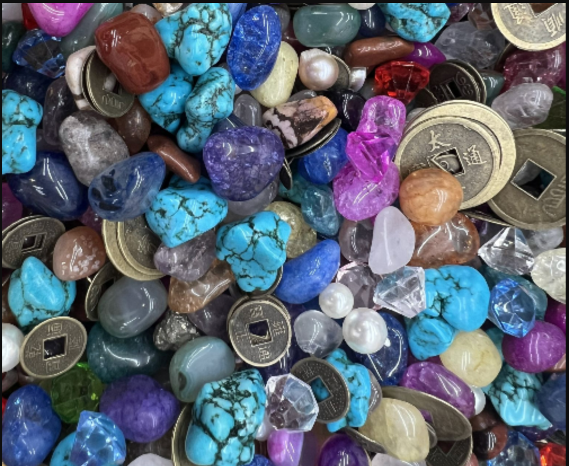
- The whispers of treasure. Sparkling, strange, buried treasure.
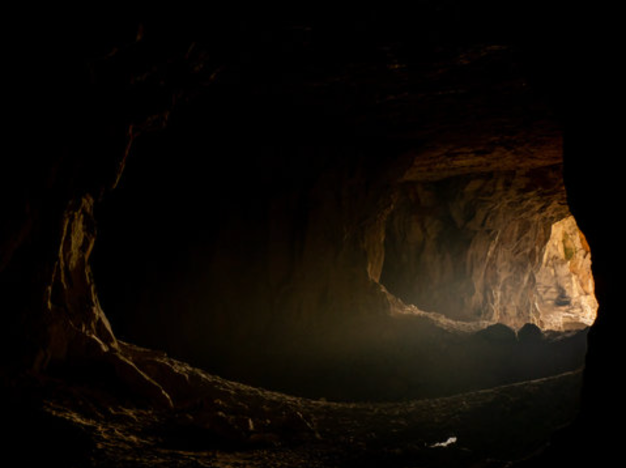
- Caves, and the deep, dark, twisty depths of them.
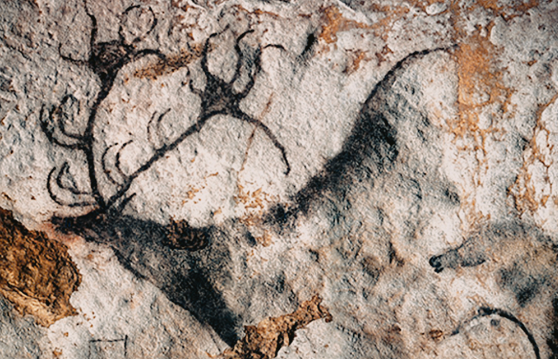
- Art. The surprisingly long reach of creativity, indicated by clear, simple marks in the caves – marks like kids make.
- Ancient ancestors. People who survived 20,000 years ago are utterly fascinating. Their act of creating art suggests they not only survived, but thrived. What do we have in common with them? What’s different about how we experience life now?
- Animals. Animals that clearly left the artists astounded and in awe. Some of the animals are familiar, and some are extinct and so incredible that it’s hard to believe they aren’t just figments of our imaginations.
- WWII. This horrific historical event holds undeniable curiosity for today’s kids. Whether the focus is danger, aggression, occupation, segregation, or something else, there are many aspects that call out for discussion.
- Mystery. The great span of things we can’t know. Who made these paintings? Why? And how?
- And at the very core of these layers, I think, there is discovery.
How many of us would do what Marcel did?
Imagine walking by a hole in the ground.
Imagine that you can’t see the bottom.
Imagine that you decide to climb inside.
Would you follow the hole for a while? Go home that night, but then go BACK the next day, ready to follow the tunnel wherever it might lead?
I think of this willingness to discover as a moment of innovation. He took the risk of seeing where his curiosity might lead. Of course, it was intensely dangerous. But was it more dangerous than the war raging aboveground?
Bottom line: If Marcel hadn’t taken that risk, we might never know those paintings were there.
Children are masters of discovery. It is a fundamental human condition. Whether first finding their toes, trying out a new color of paint on a piece of paper, or searching through the woods, they live in discovery. It’s almost a form of play.
During war, even children feel the pressure to put play away. Marcel was on the cusp of adulthood.
But imagine the wonder he might have felt, the excitement of coming back to the play of discovering something new, even if it just turned out to be a path that led nowhere special.
For a while after the discovery, the boys kept the secret of the art to themselves, finally sharing it only with other children (for whom they charged a small fee, no less).
It was both an escape, and an awakening, in the way that discovery often is.
Classroom activity
A class could follow reading What Marcel Found with an activity that builds on the idea of discovery:
IMAGINE what might be below the ground under our feet.
Brainstorm the possibilities – and write them down. Earthworms, garbage, dirt, concrete, trains, roots, tunnels, underwater canals. What else?
Ask kids to share discoveries that they’ve made in their lives.
Ready to take it a step further? Have children draw animals on paper, and then affix those drawings to large, crumpled brown sheets of paper taped under desks to simulate a dark cave.
Ask them to crawl around in the “caves” and see what animal drawings they can find.
Once they are done, ask them to share their feelings and thoughts on the drawings.
Together as a class, imagine what Marcel might have thought and felt.
Finally, watch a video of the caves, such as this incredible 3-minute tour of Lascaux:
https://archeologie.culture.gouv.fr/lascaux/en/lascaux-cave-virtual-visit
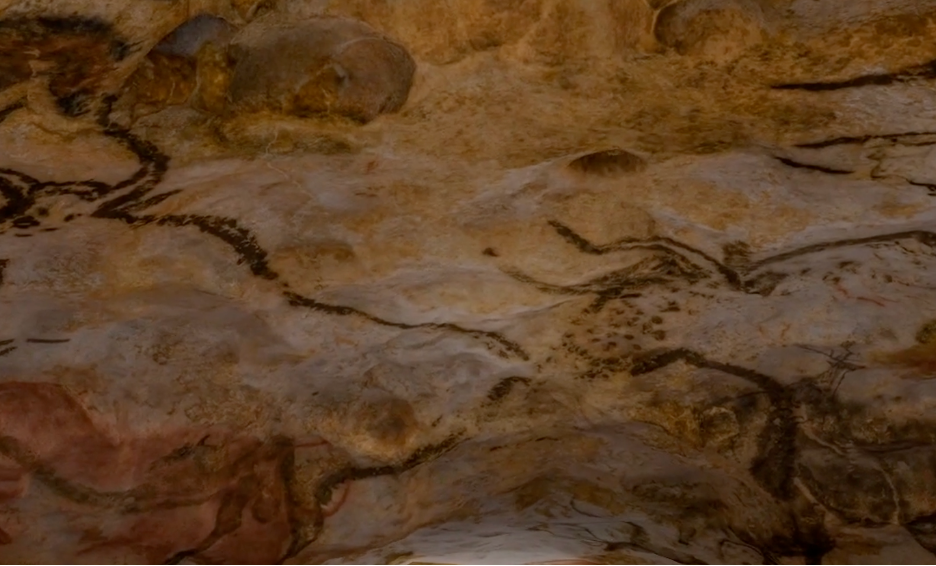
This discovery first ignited my daughter’s imagination.
And then mine.
And now, I hope, yours, too.
Don’t forget to leave a comment below for a chance to win a cop of WHAT MARCEL FOUND! (US addresses only, please. Winner announced 11/13/26.)
When you enjoy a book, please support authors and illustrators by leaving online reviews! 😍


So much to love in this post: amazing topic, glowing glimpse of the cover, great discussion of the books layers AND a excellent classroom extensions. THANKS, Cedar Pruitt
LikeLike