Though delays and challenges are frustrating, author Nora Nickum found that embracing them resulted in a better book in multiple ways for WILD MEDICINE: INVENTING WAYS TO SAVE ENDANGERED ANIMALS. Patience, perseverance, and continued learning paid off!!
GIVEAWAY! Leave a comment below for a chance to win a copy of WILD MEDICINE: INVENTING WAYS TO SAVE ENDANGERED ANIMALS from Nora!
Congrats to Jennifer Merrifield, the winner of THE PATRIOTS AND THE POX: George Washington’s Battle to Save the Continental Army from Beth’s post!
And more congrats to Cathy Ballou Mealey, the winner of BLUES WITH A BUTTERKNIFE: The Unstoppable Music of CeDell Davis from Jason Peterson’s post!
Making the Most of Delays and Detours
By Nora Nickum
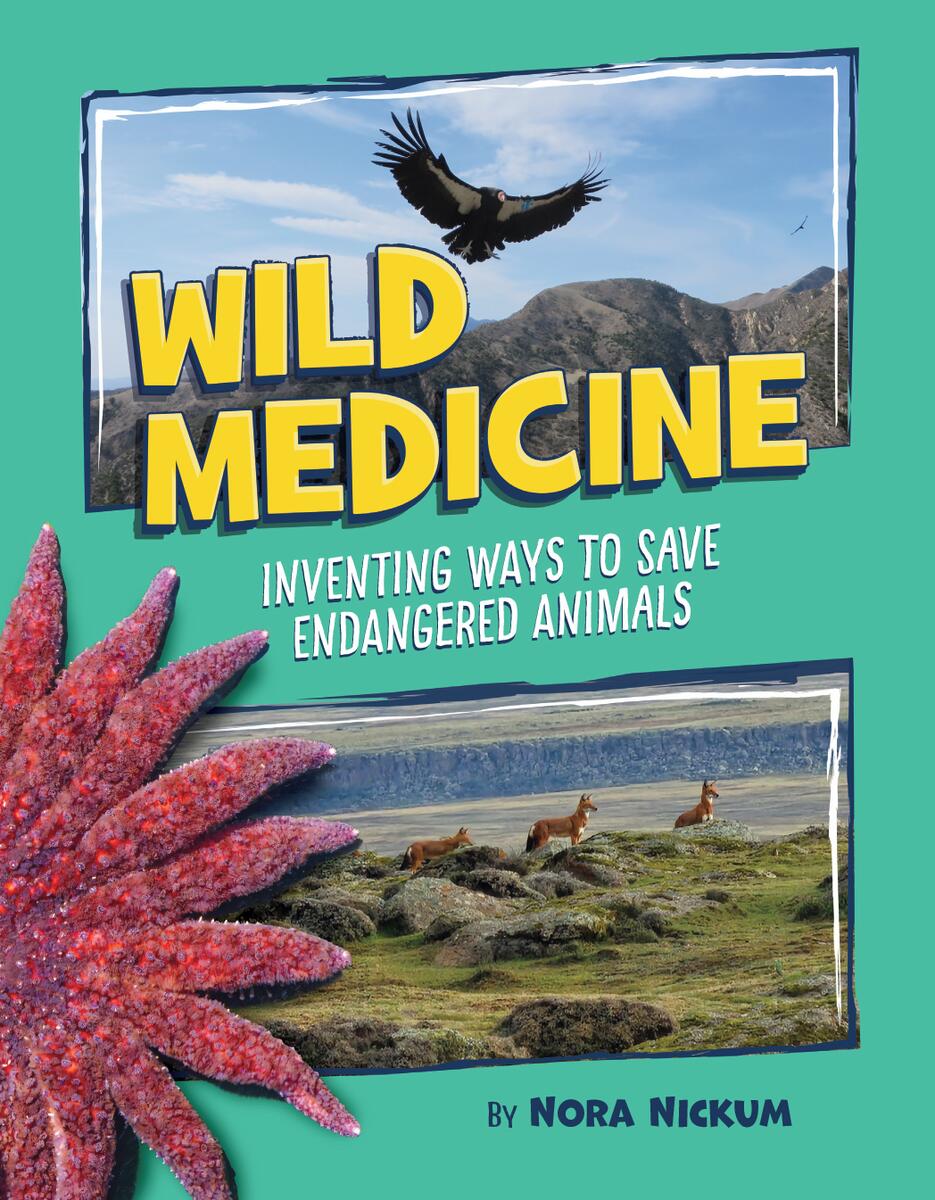
In 2020, I came across a few intriguing articles about people working to save endangered species from disease outbreaks in the wild, and immediately started digging. Wildlife vets and biologists were shooting peanut butter pellets across the prairie, camping on remote tropical islands, sneaking up to seals with syringes on long poles, riding horses into the mountains of Ethiopia at night, and hovering over whales with drones to catch breath samples–fascinating! I knew I wanted to share these stories of creativity, experimentation, and perseverance with young readers. I had focused on writing picture books so far, but this topic felt like it had to be a middle-grade book. So I wrote up a proposal and called it Wild Medicine. I included five species: orcas, Hawaiian monk seals, black-footed ferrets, mountain gorillas, and Ethiopian wolves.
But submissions that year didn’t result in an offer. I was happily distracted by writing a different middle-grade book Superpod: Saving the Endangered Orcas of the Pacific Northwest, which came out from Chicago Review Press in 2023. Still, I couldn’t get the Wild Medicine idea out of my head. So my agent and I decided to try again. But first, I needed to update the proposal with more recent information.
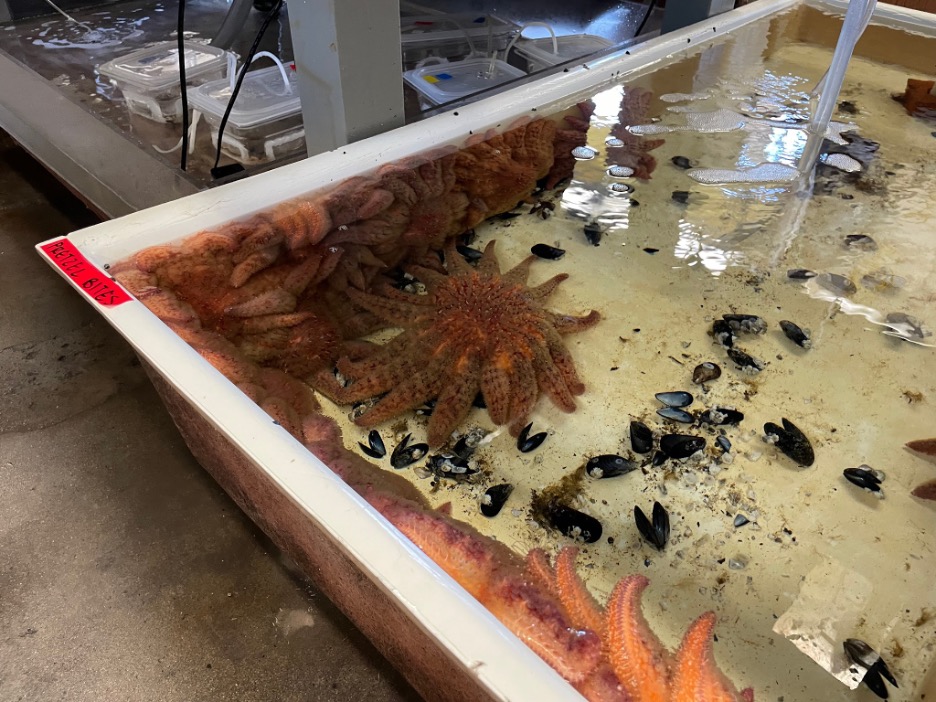
I was intrigued to find that the passage of a few years had made the available stories richer and more plentiful. There was exciting new progress in addressing some diseases, like an aquarist at the Oregon Coast Aquarium who developed a way to save sunflower sea stars from a mysterious wasting syndrome in 2024. There were also more endangered species facing disease outbreaks, like California condors hit by bird flu in 2023. I went down new research rabbit holes, adding animals like corals, bats, and Indian yellow-nosed albatrosses to the proposal, until I felt like I had caught up to the latest groundbreaking research and had a good mix of chapters: ones about creative, successful solutions, and others where urgent experimentation is still happening.
I had also learned a lot more about writing middle-grade in the intervening years, and wanted to come up with additional ways to make Wild Medicine engaging for kids. I decided to rearrange the introductory chapter and start by diving right into an interesting puzzle (wombats who are itchy with mange). In that first chapter and others, I also spoke directly to the reader in places, asking them to think about what they would try (what’s another way you might get medicine onto a wombat’s back?). And I decided it was important to add text boxes talking about why this all matters–the consequences for the ecosystem if the people don’t stop disease outbreaks from wiping out each of these species.
In 2024, my agent and I found a wonderful home for the book at Tilbury House. I got to spend the next several months on my favorite parts of the process: interviewing experts around the world, and finding kid-friendly ways to write about what I was learning, including touches of humor. And Wild Medicine: Inventing Ways to Save Endangered Animals will be on shelves in September 2026.
The path was long—over six years—and winding, with multiple proposals, and it was hard to be patient. But now it feels like it’s a stronger, more complete, and more engaging book because of that longer timeframe, which not only gave me more time to hone my writing craft, but also gave the wildlife conservation community time to learn and actively advance the field I wanted to write about. I remind myself now of the importance of continually refreshing my research so my final product reflects the latest science, and also of the silver linings that can come with delays and setbacks in the publication process—and the need for me to stay persistent, just like the scientists working to solve complex conservation challenges!
🥳 Don’t forget to leave a comment below to get in on the GIVEAWAY—a copy of WILD MEDICINE: INVENTING WAYS TO SAVE ENDANGERED ANIMALS from NoraNickum (US addresses only, please. Winner announced 10/2/26.)
Bio:
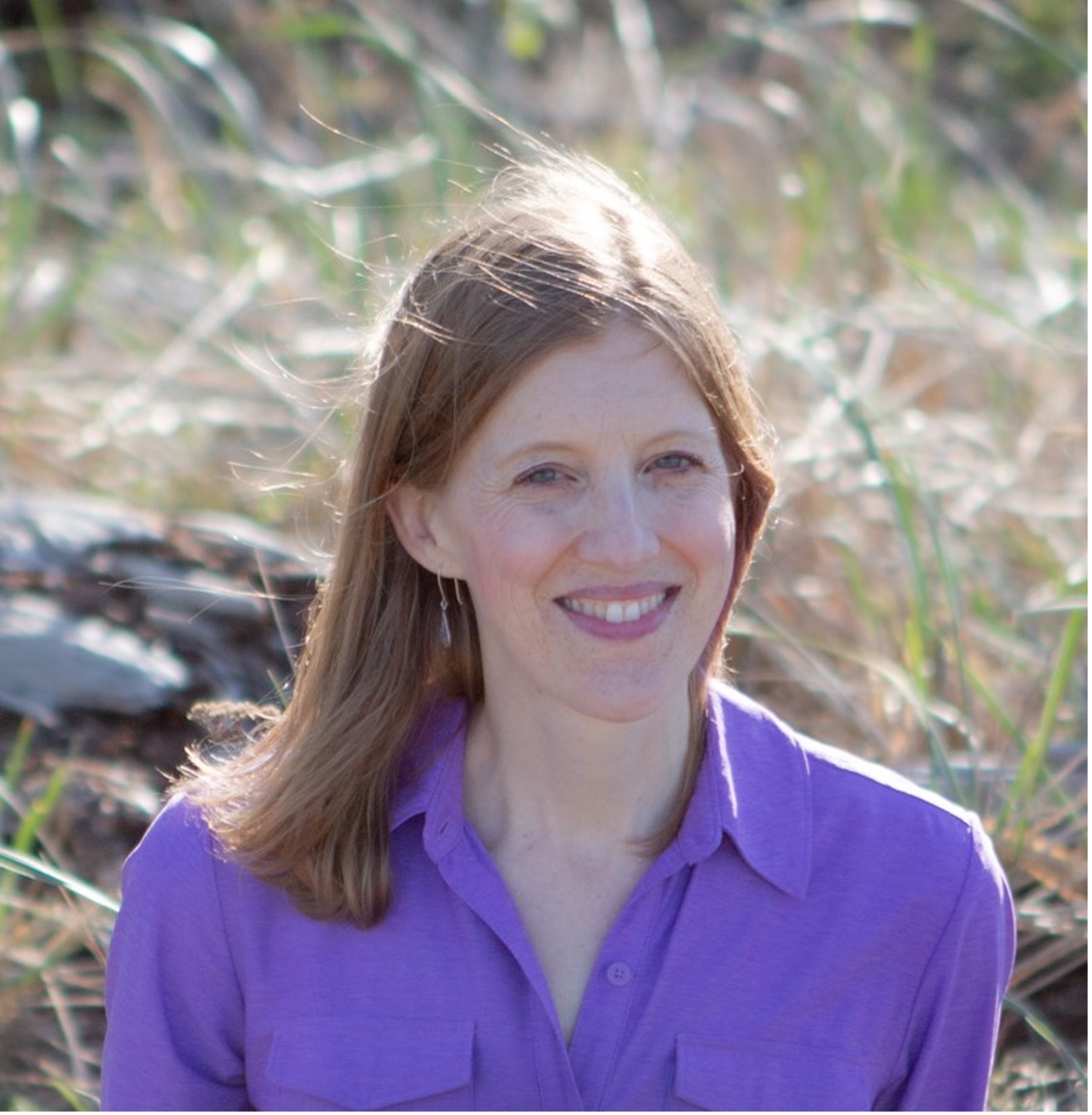
Nora Nickum is the VP of Conservation Programs and Partnerships at the Seattle Aquarium. She also writes books for children about science and wildlife. She is the author of the middle-grade nonfiction book Superpod: Saving the Endangered Orcas of the Pacific Northwest and several picture books, including Twelve Daring Grays: A Whale Migration Adventure, which was illustrated by Elly MacKay, and This Book is Full of Holes, illustrated by Robert Meganck. To learn more, visit Nora’s website at www.noranickum.com or connect with her on Instagram (@noranickumbooks).
When you enjoy a book, please support authors and illustrators by leaving online reviews! 😍


It’s always reassuring to read about other authors’ long, circuitous routes to getting a ms published; makes me feel less alone. 😄 I have Nora’s wonderful SUPERPOD book and look forward to reading this one! Congratulations!
LikeLiked by 1 person
Thank you, Teresa! Cheering you and your amazing science books on, too!
LikeLike
This book sounds fascinating. Congratulations! And thanks for the reminder that writing a great book takes time, sometimes more time than we want, but in the end it is worth the wait.
LikeLiked by 1 person
It can be so slow, but yes – sometimes that extra time makes something else possible. Thanks for reading!
LikeLike
So glad you persisted, Nora, and this book came to be. WILD MEDICINE is surely needed. I hope many kids (and adults) read it!
LikeLiked by 1 person
Thank you, Robin!
LikeLike
This is a fascinating topic and it’s one I never thought about. I enjoyed reading about your persistence with your book idea and can’t wait to read it.
LikeLiked by 1 person
Thanks Danielle! I had a lot of “I never thought about that!” moments when researching this book, it was fun to share what I learned!
LikeLike
It’s a long and winding road, and always good to hear how others are doing!
LikeLiked by 1 person
It sure is! And helps to know there are others on that road!
LikeLike
I’ve read this book! It’s fantastic! Congrats, Nora, for staying the course!
LikeLiked by 1 person
Thanks for the support, Jilanne, and always glad to recommend your amazing STEM books!
LikeLike
I want to meet the Pretzel Bites!! Your book makes us know these animals and fall in love with them so we also want to take care of them. Thank you. Thank you for all your research and persistence. If you had quit, we would not know about these wonderful creatures God has made.
LikeLiked by 1 person
Thank you, Karen! They really are amazing. As the sunflower stars get older, the scientists even notice they have different personality traits!
LikeLike
Thank you Nora and Beth for sharing this journey. It’s good advice for staying the course when you believe in your story. Nora, congratulations – and I am looking forward to reading your book!
LikeLiked by 1 person
Thank you, Sue!
LikeLike