Like me, author Gretchen Woelfle enjoys digging into untold stories from the revolutionary era. Here she shares some of the people whose stories have the power to widen our understanding of the American Revolution.
SPECIAL GIVEAWAY FOR EDUCATORS! Leave a comment below to get into the drawing for a copy of ANSWERING THE CRY FOR FREEDOM, a free virtual classroom visit with Gretchen, and an educator guide!
Congrats to Jilanne Hoffmann, the winner of Roxanne Troup’s HAPPY BIRTHDAY, AMERICA!
Chasing Liberty in Michigan By Gretchen Woelfle
In March I had the pleasure of speaking at Macomb Community College’s Lorenzo Cultural Center, near Detroit, Michigan, as part of their two months of programming on Chasing Liberty: How America Came to Declare Independence.
You first walk through a spacious hall filled with exhibits of daily life in Revolutionary times: food, clothing and uniforms; writers, newspapers, and pamphlets that fanned the flames of revolt; weapons and quarry of Michigan hunters and trappers; Indigenous life; and much more.
Dozens of Revolutionary events have taken the stage in the auditorium: war re-enactors, family movie nights, trivia matches, interactive theater, music, and talks by local historians and wide-ranging authors. Which is where I came in.
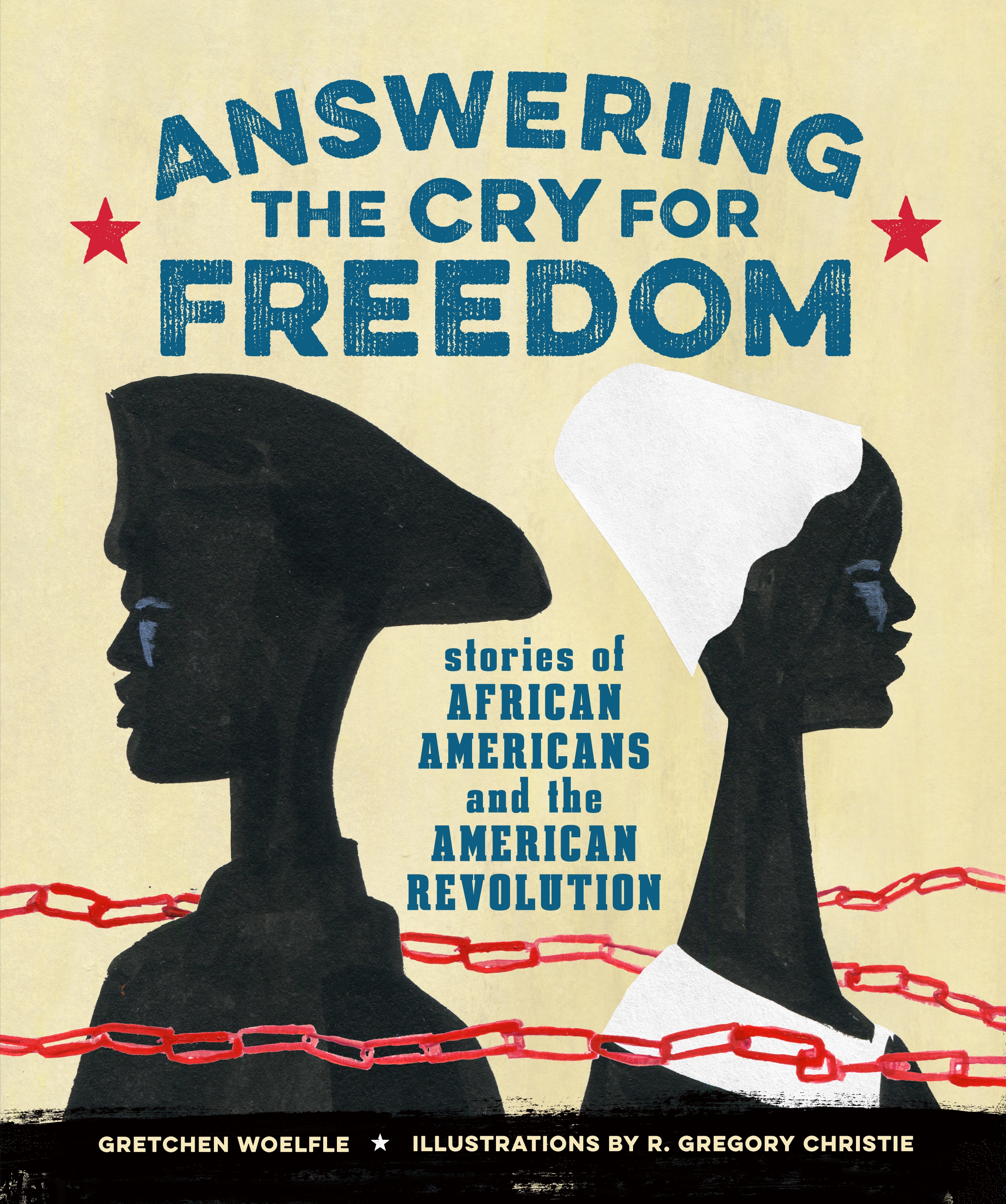
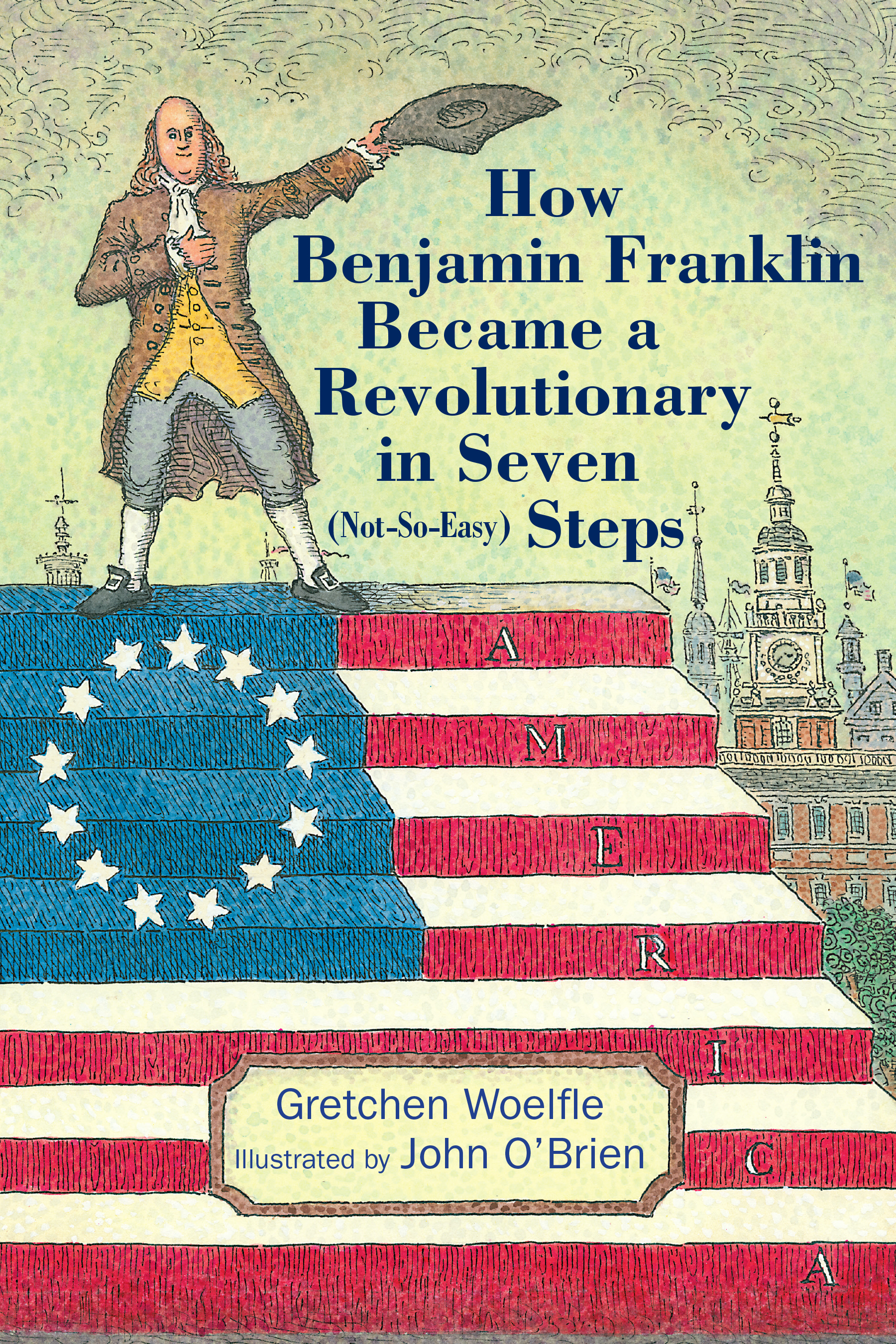
I’ve published four biographies from the American Revolutionary era including Write on, Mercy: The Secret Life of Mercy Otis Warren and Mumbet’s Declaration of Independence. But I chose to give one presentation on Answering the Cry for Freedom: Stories of African Americans and the American Revolution and another on How Benjamin Franklin Became a Revolutionary in Seven (Not-So-Easy) Steps. None of these books glorify battles or generals. All (but Franklin) feature great stories of little-known people.
Often, one of my books leads to another. Mercy Otis Warren was a well-educated white woman from a prominent Massachusetts family. She anonymously wrote poems and plays that roasted the British and the Loyalists. Then she wrote a three-volume history of the Revolution under her own name.
In researching Mercy and other women of that era I discovered Mumbet – Elizabeth Freeman – enslaved in Massachusetts. When she heard “All men are created free and equal” from the new Massachusetts constitution, she dared to sue her owner, the richest man in town, for her freedom. She won, and two years later a judge, citing Freeman’s case, declared slavery unconstitutional in Massachusetts.
You can guess what happened in writing that book. I dove into research on other Black Americans from the Revolutionary era — primary sources: autobiographies, letters, petitions…secondary sources: histories and biographies… travel from Virginia to Nova Scotia. And seven years later came Answering the Cry for Freedom: Stories of African Americans and the American Revolution, a group biography of thirteen men and women, northern and southern, enslaved and free, Patriots and Black Loyalists. My thirteen included two soldiers, a spy, a poet, farmers, preachers, servants, a ship’s captain, an African abolitionist, and more — all fired up by white men’s talk of liberty.
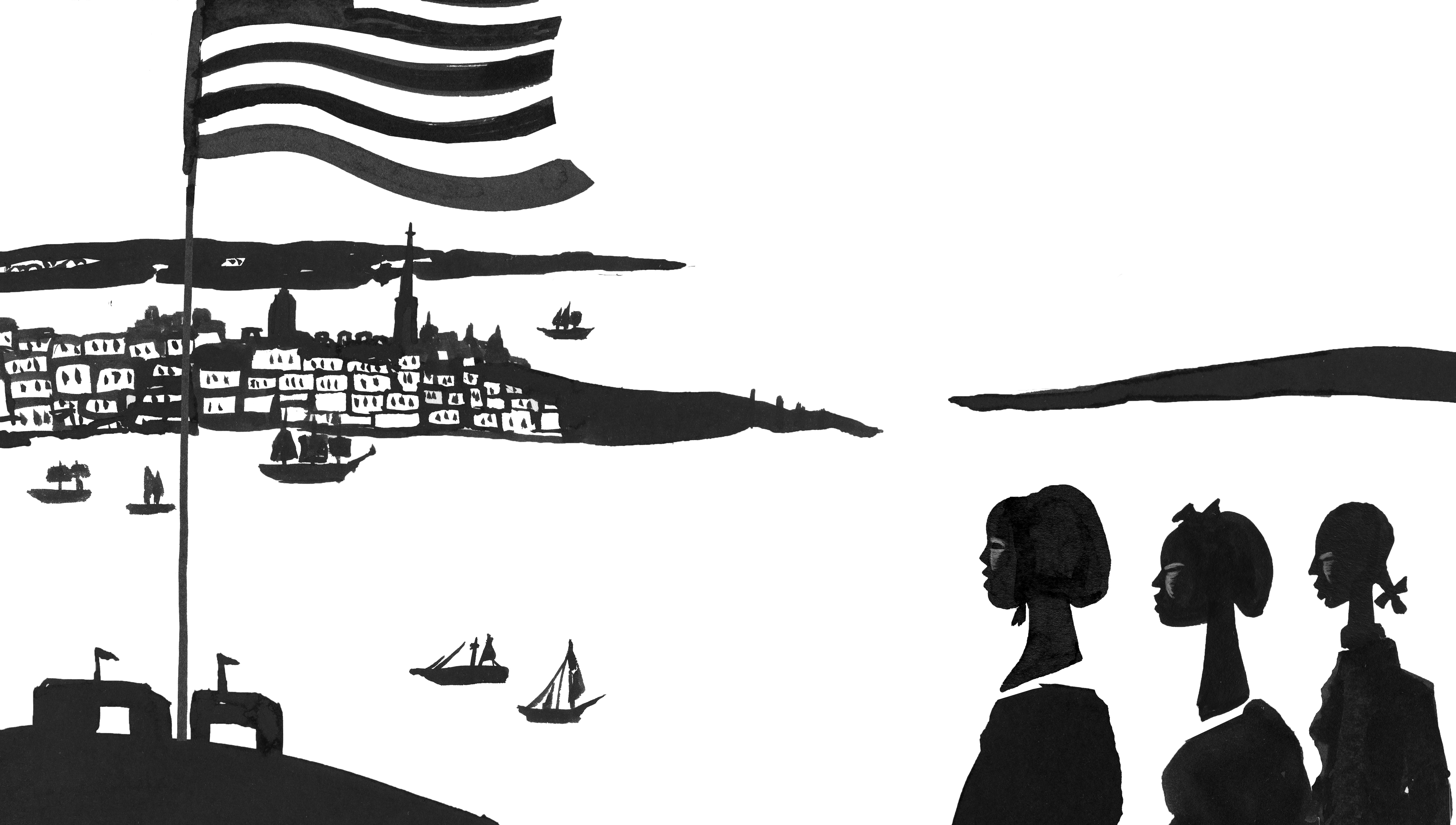
Did you know that the British government, not Abraham Lincoln, issued the first Emancipation Proclamation in our history. They offered freedom to Patriots’ enslaved people who escaped to British lines. Twenty thousand men, women, and children did just that, and became Black Loyalists. Three of them appear in Answering the Cry. Boston King and John Kizell fought for the British; Mary Perth escaped to New York City with her three children. After the war, the British transported them out of the country to preserve their freedom. My three went to Nova Scotia, then to Africa to found Freetown, Sierra Leone.
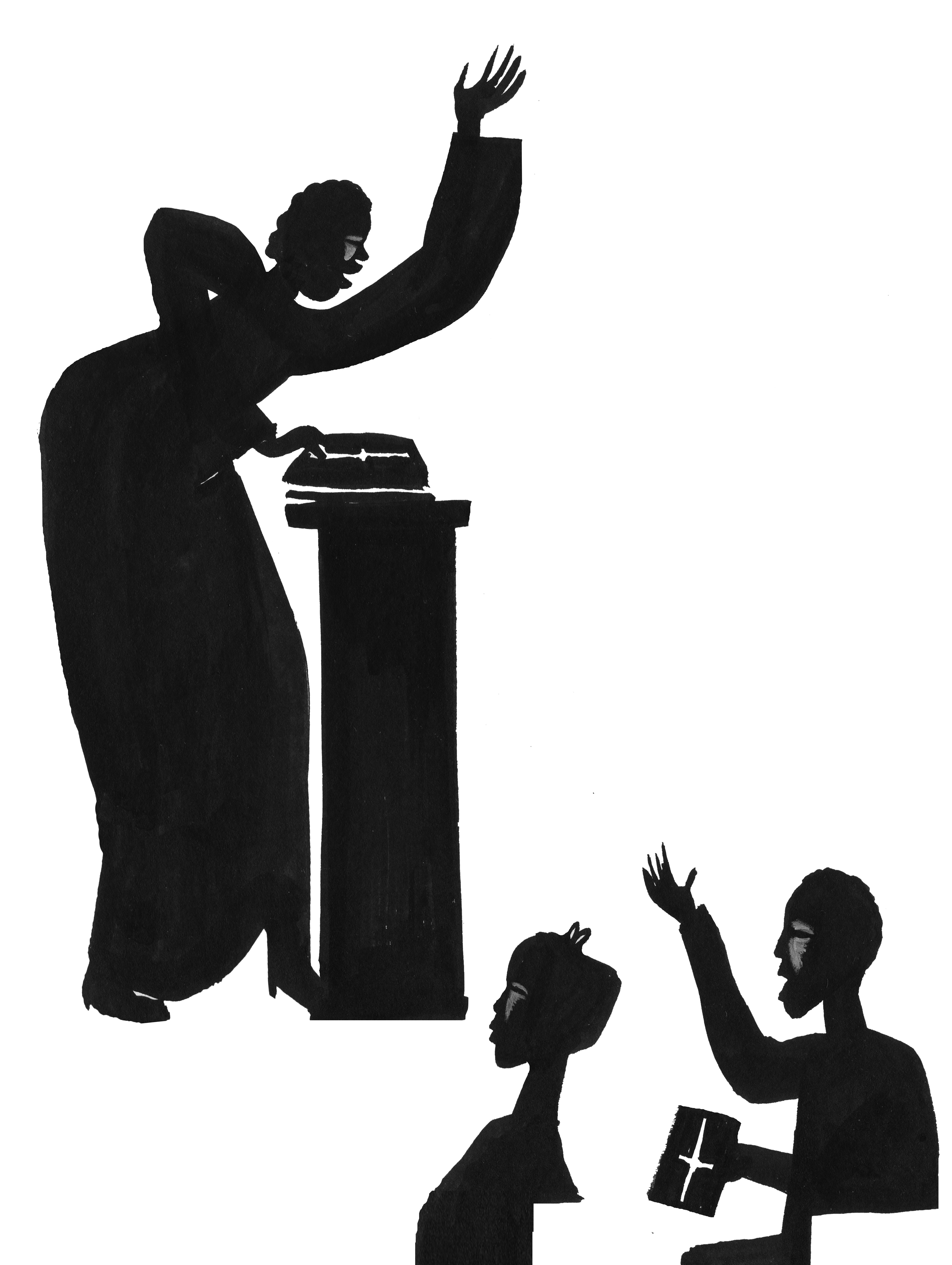
After the war, as Northern states abolished slavery, free Blacks established their own churches that became a platform for the fight for civil rights. Richard Allen, founder of the worldwide AME church, said about these people, “they were men who dared to think for themselves, men to talk for themselves, men to act for themselves.” He didn’t mention it, but Black women did too. Check out my stories of Phillis Wheatley, Elizabeth Freeman, Mary Perth, Sally Hemings and Jarena Lee.
At the opposite end of the social, political, and celebrity hierarchy stands Benjamin Franklin, our most cosmopolitan Founding Father, and Jefferson’s editor on the Declaration of Independence. I wrote about the genesis of How Benjamin Franklin Became a Revolutionary in Seven (Not-So-Easy) Steps, on this very blog here.
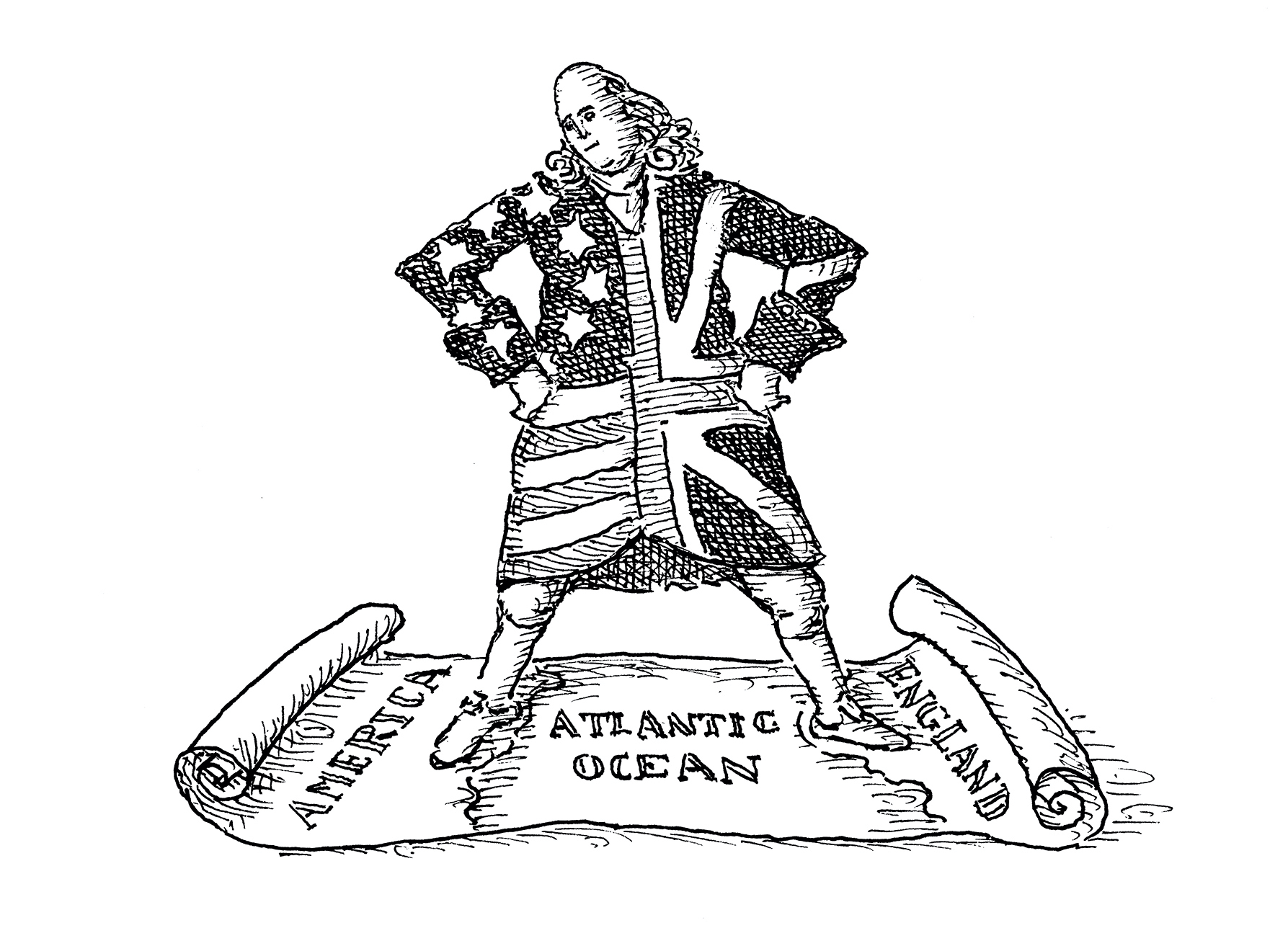
Full confession: I’ve been a fangirl of Franklin for a very long time, but it took decades to come up a new hook for young readers. His status as a Founding Father has overshadowed his fierce allegiance to the British Empire for seventy years of his life. As an autodidact – a self-taught man — he modelled his own brilliant writing on the best of British authors. When he was eighteen years old he spent over a year basking in the rich cultural life of London. In middle age he spent eighteen years in Britain trying to make peace between an intransigent Parliament and the rebellious American colonies. In 1775, finally admitting defeat, did he return to Philadelphia resolved on independence. The cry for freedom was heard by all classes of Americans and the chase for liberty was on.
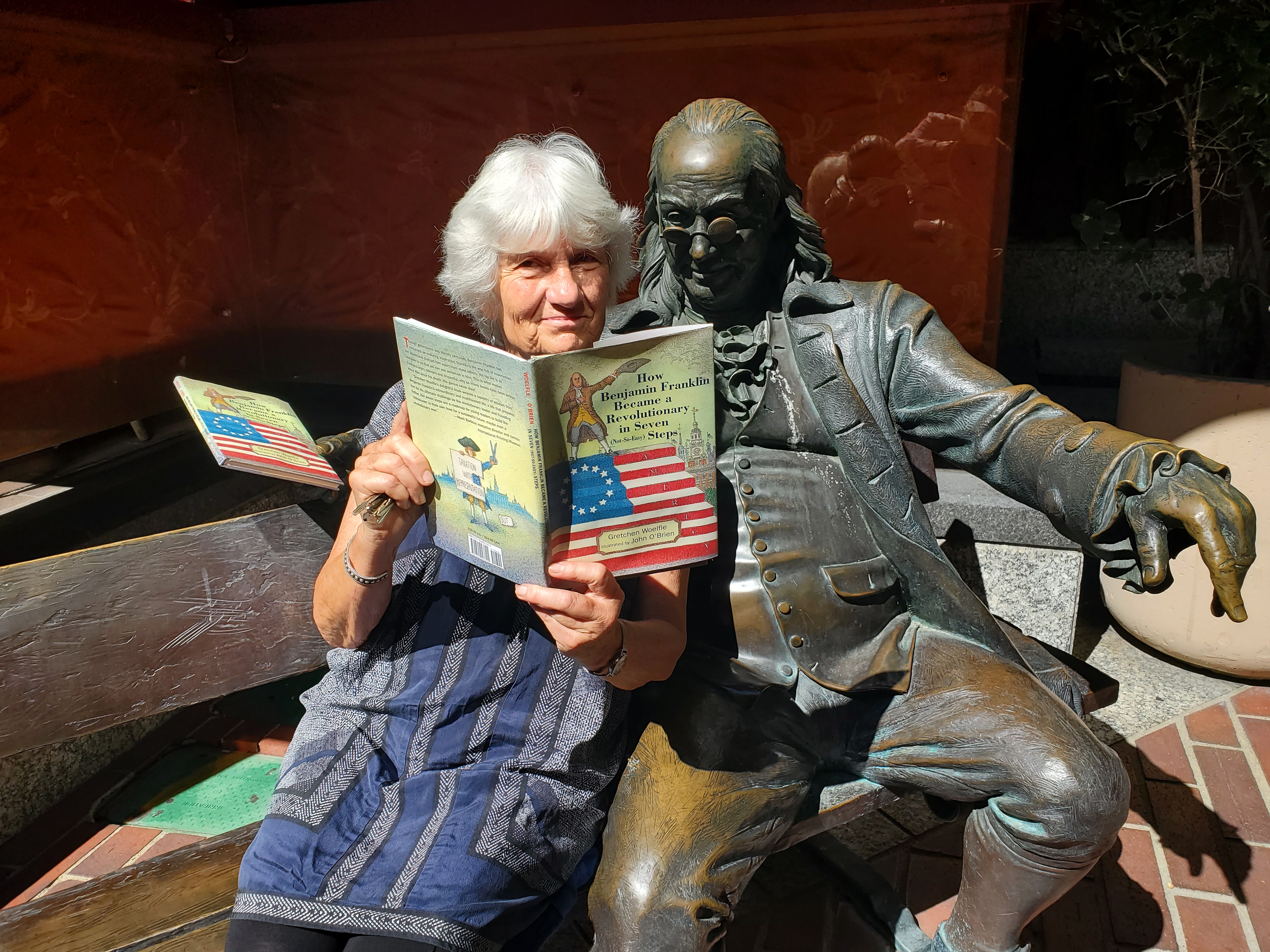
Gretchen Woelfle is an award-winning author of fiction and nonfiction books for young readers. She is most awfully curious – some would say nosy – about people who do extraordinary things. Some, like Benjamin Franklin, are already famous. Others should be more famous. Her biographies include A Take-Charge Girl Blazes a Trail to Congress: The Story of Jeannette Rankin; Answering the Cry for Freedom: African Americans and the American Revolution; Mumbet’s Declaration of Independence; Answering the Cry for Freedom: African Americans and the American Revolution. When not traveling the world looking for new stories, Gretchen lives in Los Angeles, California.
SPECIAL EDUCATOR GIVEAWAY! Though Gretchen appreciates all comments and shares on social media, this time the winner will be drawn from the pool of educators. Educators—let us know in your comments where you shared on social media for extra chances to win… [US addresses only, please. Winner announced 5/15/26]
- a copy of ANSWERING THE CRY FOR FREEDOM
- a 30 minute Q&A virtual visit!
- Educator Guide
 Beth Anderson, Children's Writer
This is so inspiring! Thank you for sharing.
LikeLiked by 1 person
Thank you, Beth and Roxanne! Can’t wait to read Happy Birthday, America!
I love seeing stories about people who’ve been “lost” to history, and hearing new stories about well-known people. Gretchen’s books are terrific!
LikeLiked by 1 person