Writing about current technology presents the challenge of how to keep up with ever-changing information. In this post, author Elaine Kachala puts the future in the hands of students with capable imaginations and critical thinking skills.
GIVEAWAY! Leave a comment below for a chance to win a copy of BUILDING HOMES FOR ALL by Elaine Kachala.
What To Do When the Information Keeps Changing
By Elaine Kachala
“Imagine doing a school project where the information kept changing because the topic was brand new…” This was the beginning of a Dear Reader note that I included in my recent book, Building Homes for All: Technology for a Fair and Green Planet (Orca Book Publishers, March 2026).
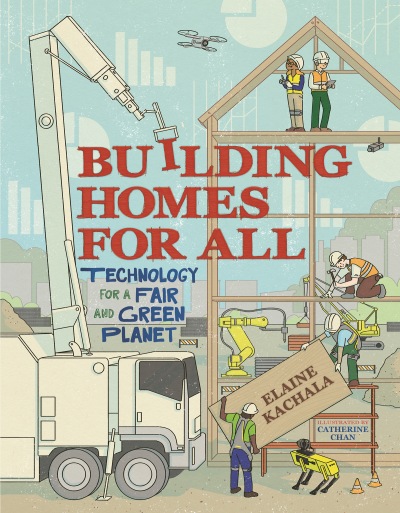
I included the note because that’s exactly what happened to me when writing this book—new technology advancements were happening at a breakneck pace. In this STEAM nonfiction book, young readers (ages 9-12) explore the causes of homelessness and housing shortages, what having a safe, affordable home means for their health, and the impact of construction on the environment. Then, they meet innovators who are reimaging construction. From 3D printing to robotics to modular wood buildings that can slow climate change —trailblazers are pioneering high-tech solutions for housing shortages and the climate crisis—and proving that building better, faster, safer, cheaper, and greener is possible!
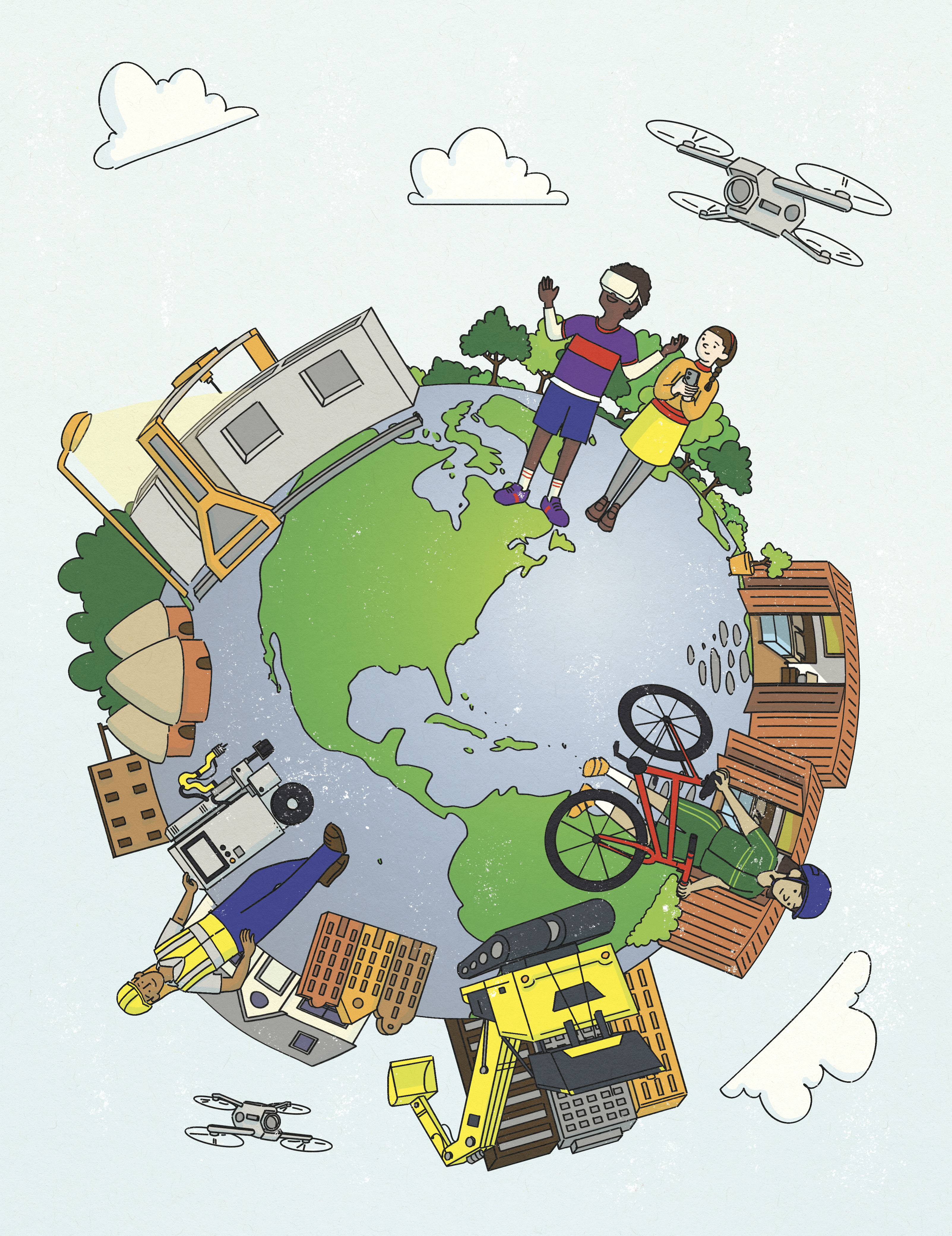
While this was incredibly exciting, I worried about what it meant for my book’s currency and accuracy. Not only am I meticulous about research, but also about fact-checking—by experts and by me. I take writing nonfiction books for young readers very seriously. So, I included notes about this in the book. For example, “In 2024, there were hundreds of 3D-printed buildings worldwide. By the time you are reading this book, there will be way, way more….” And the concluding section is titled Just the Beginning, What’s Next? I sent updates to my editor right up until the very last moment before the book went to print. And, of course, the Dear Reader note. But was this enough?
I thought, why not create a classroom-ready, inquiry-based resource that’s like a time capsule and builds on the What’s Next idea? An exercise that situates the book in a snapshot of time: these are the current innovations, but how might things change in 5, 10, or more years?
So, in addition to the free Teacher guide that can be downloaded from my website and from Orca Book Publisher’s website, I’ve created the activity that’s outlined below. While the questions are specific to this book, they can be adapted for use with other nonfiction STEAM books, making this exercise a template.
1. Map the present
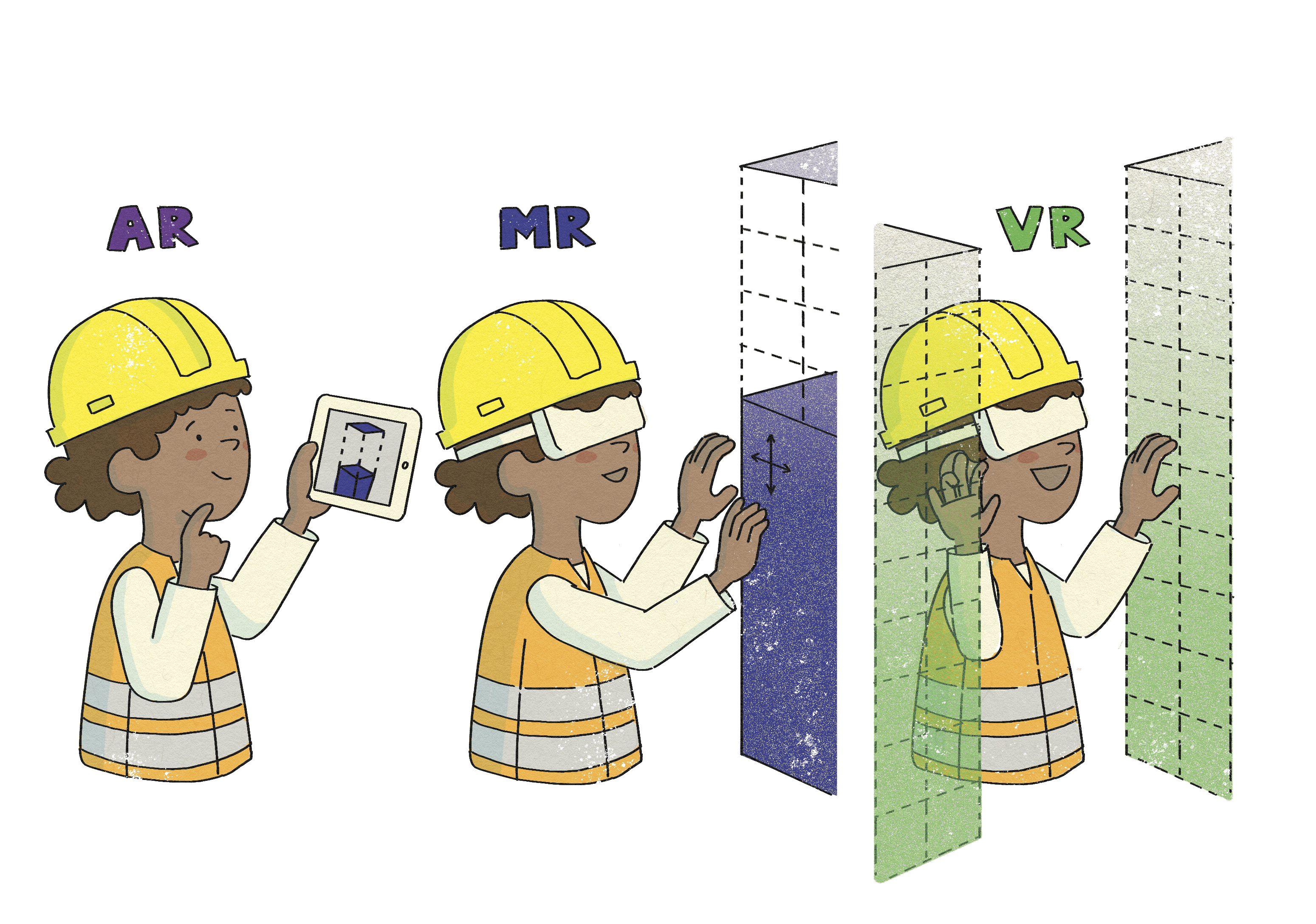
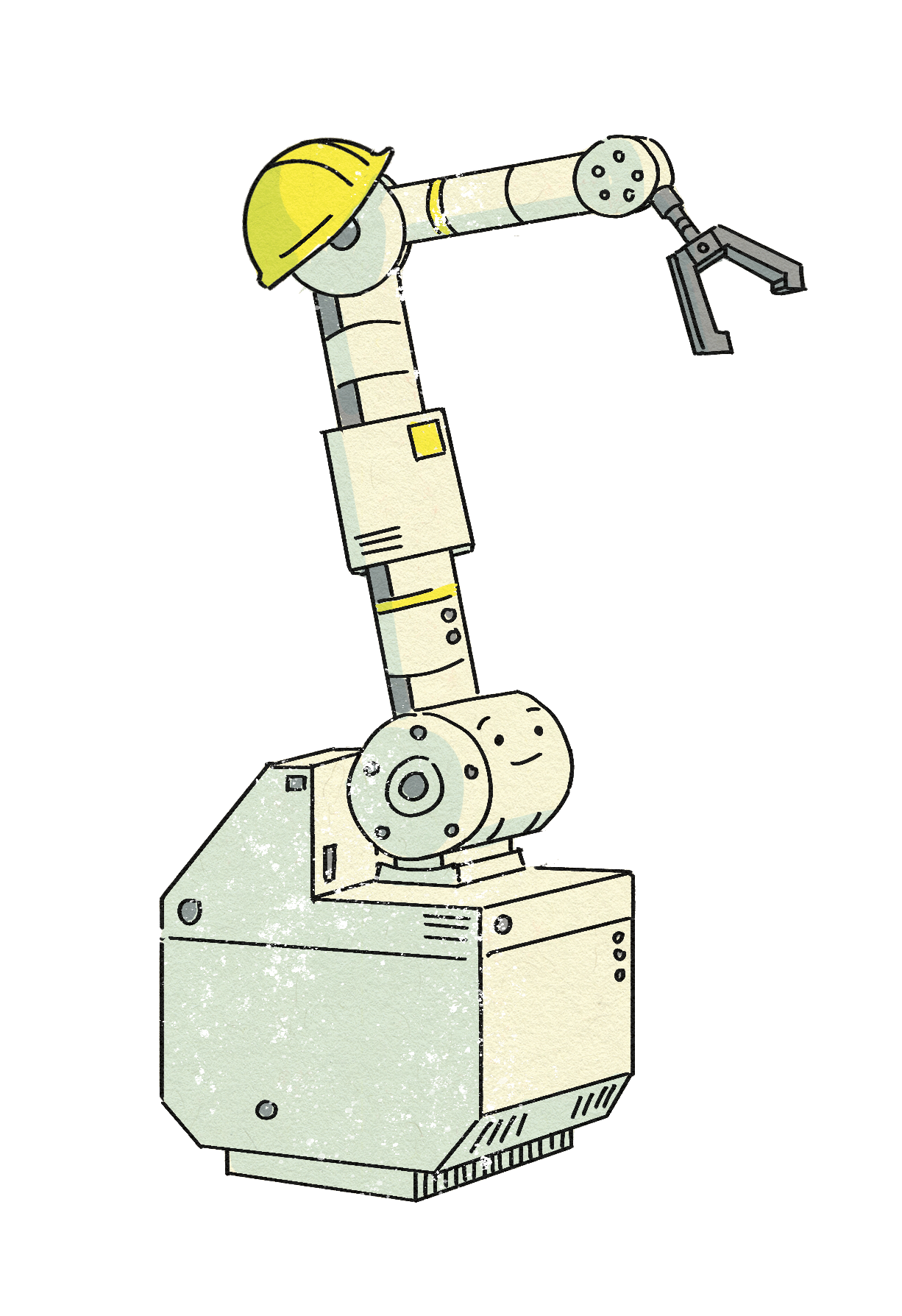
- Students list three or more technologies or materials featured in the book (e.g., 3D printing, exoskeletons, mass timber, low-carbon concrete, upcycle plastic), and note the companies developing them.
- What does the book say about these technologies or materials? (e.g., What is the technology/material capable of building or doing? How can they improve housing shortages and climate problems?)
- What do people think about the technology/material? (e.g., Is it being used widely? Are there any concerns? Are there rules or laws that support or impede its development?
- What does the book say about future innovations?
2. Update the book
- Students research each of the technologies or materials (and companies) that they’ve chosen in question #1 and update how each has changed or improved (e.g., Is there a newer generation of the same technology/material? How is it the same or different? Has the company abandoned the technology/material altogether and created something different? Does the company still exist?)
- What do people think about the technology/material? (e.g., Have people’s opinions changed about it? Is the technology more or less popular? What impact is it having on housing shortages and the climate crisis? Have the rules or laws to support or impede its development changed?)
- Is what the book said about future innovations happening?
3. Imagine the future
- Based on how things have changed (or not), what do students predict will happen in the future with the technologies/materials that they’ve chosen to research?
- Create a timeline or a ‘Then / Now / Next’ chart (e.g., What will happen in 5, 10, or 15 years?)
- Consider whether the changes will have positive or negative impacts on people’s lives. Explain why.
4. Extension activities
- Write a short paragraph explaining why the book is still useful even if some facts have changed.
- Sketch pictures of future technologies and homes.
- Create a poster titled, ‘Homes Then, Now, and Next.’
Information and technology change so quickly. I hope this activity is a useful way to help students think critically about the changes and connect what they read to current and future developments.
Don’t forget to leave a comment below for a chance to win a copy of BUILDING HOMES FOR ALL from Elaine Kachala. (US addresses only, please. Winner announced 5/1/26)
And if you enjoy a book, please support authors and illustrators by leaving online reviews! 😍


Elaine, as a former teacher who used PBs as mentor texts in Writer’s Workshop, your book is an excellent way to stretch. I cannot wait to read it. Beth, thank you for showcasing yet another fabulous NF PB.
LikeLiked by 1 person
Interesting challenges and brilliant ways to deal with them head on! I can’t be the only person who thought we’d have flying cars by now!
LikeLiked by 1 person
That is a real problem for many NF topics. I appreciate how you handled it. Thanks for sharing your insight and tips, Elaine Congrats on the book!
LikeLiked by 1 person
Thanks for your sharing, and congratulations, Elaine! Your books sounds wonderful and is much needed!
LikeLiked by 1 person
I really didn’t realize they were making 3D houses. Technology is really changing quickly. Now robots are doing a lot of the work. Thank you for educating us on the new stuff out there.
LikeLiked by 1 person
I cannot wait to check out this book! The premise is wonderful (my budding engineer would love this) and it’s wonderful how you made it relevant, even with advancing technology and methods. The activity you designed (as a template!) is fantastic! Thank you so much for sharing.
LikeLiked by 1 person
What a brilliant way for kids to discover and report on changing science/technology! This sounds like a terrific book!
LikeLiked by 1 person
This is an amazing angle to take on the fast paced changing technology and getting young readers to think critically about technology and how it impacts them.
LikeLiked by 1 person