So glad to see another book about writing nonfiction for kids! My copy has arrived, and I’m diving in! Thanks, Kirsten Larson, for sharing your knowledge in the book, and also for this post about taking on this endeavor.
Kirsten is also doing a GIVEAWAY! Leave a comment after the post to be in the running for a copy of Reimagining Your Nonfiction Picture Book or half off an annual membership to the Reimagine Insiders community.
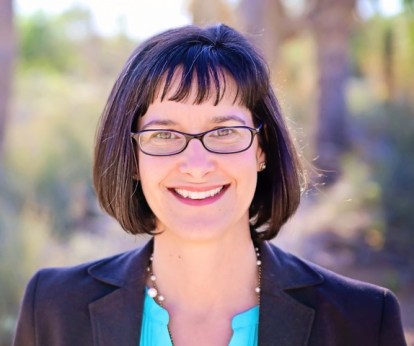 “Branching Out Into Longer Form Nonfiction” with Kirsten W. Larson
In December 2023, I published what I hope will be a valuable resource for nonfiction picture book writers, Reimagining Your Nonfiction Picture Book: A step-by-step revision guide. For years, I’ve longed for a book that sits somewhere between Ann Whitford Paul’s fiction-focused Writing Picture Books and Margery Facklam and Peggy Thomas’s Anatomy of Nonfiction, which focuses on researching and writing children’s nonfiction across formats.
I yearned for a book I could hand to my students and critique clients, a book that would help them find and refine their story through the revision process. As I mulled this over one day, it finally hit me: Why was I waiting for someone else to write this book? Maybe this was my story to tell.
Yet, as someone who normally writes picture books or graphic novels, the idea of writing a longer nonfiction work — without pictures! — was initially daunting. But I’m here to tell you with the right tools and resources, you too can share your expertise with the world.
Don’t omit the outline
Picture books are so short and visually driven that I often don’t do a formal outline. Instead, I map out my ideas on thumbnails spread-by-spread thinking through the text and visual story, a process I explain in my book. Yet, I knew that kind of approach wouldn’t work for a nearly 200-word book for grownups. A formal outline was in order.
Using the six-week revision class I teach at The Writing Barn as a guide, I brainstormed ideas for chapters, thinking about what writers revising their work would need to know and grouping the chapter ideas into sections. In Scrivener, the writing software I use for all my books, I added a folder for each section with a separate document for each chapter. Once I had my ideas organized, it was time to draft. But how would I fill up all those empty pages? 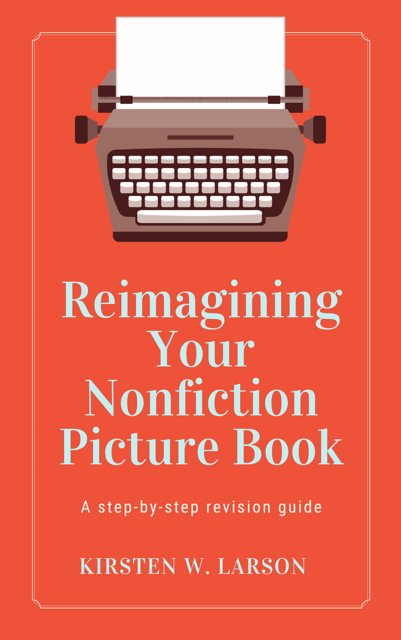
Drafting chapter-by-chapter
Two resources shaped my writing and helped me bridge the gap from outline to completed page. The first was Josh Bernoff’s blog post, “How to Write a Nonfiction Chapter without Tears,” which appeared on Jane Friedman’s blog. Bernoff talks about starting with a “fat outline.” That meant opening the document for each chapter and dumping in anecdotes and stories, mentor texts, ideas, research, arguments, and advice. And then I used Bernoff’s technique to form each chapter into a story with its own arc as best I could. Here’s his approach:
“Here’s a story of someone facing a problem (case study). You can learn from what they learned (main idea). Here are the elements of that idea (framework). Here’s why that idea is valid and convincing (argumentation, supported by proof points). Taken together, here’s what that all means (idea, restated as conclusion). And here is what you should do about it (advice).”
I paired this approach with the ideas found in the book Smart Brevity: The Power of Saying More with Less by Axios co-founders Jim VandeHei, Mike Allen, and Roy Schwartz. As I revised my chapters, I followed the Smart Brevity four-point system, starting with “the muscular tease” or a six-word headline followed by a strong lede to peak interest, then moving to context; and the choice to go deeper and learn more.
Maintaining momentum
I typically set small, manageable goals, especially for picture book projects. These are most-often time-based goals instead of a specific word count. For example, I might aim to work on a project for an hour. But for a book this long, my process was more like undertaking NaNoWriMo. I aimed to fast draft a chapter each day and finish the whole book in a month. There was a real benefit to maintaining that kind of momentum. Using the fat outline and Smart Brevity, drafting went quickly, and I mostly kept on target.
But was what I was writing helpful? There was only one way to find out – feedback.
Finding feedback
I am lucky enough to have a novel critique group (which includes two agents!) who were happy to read sections of this book in chunks as part of our critique group meetings. I incorporated their feedback into a complete draft, which went out to two beta readers, the amazing Annette Whipple and Debra Shumaker for their feedback too. There’s nothing like critique partners and beta readers to know how well you’re making your point.
The final result is a book I’m happy with and one I’m hoping can reach far more writers than I ever could through classes and critiques. But even better, I’m much less daunted by the idea of writing longer-form nonfiction for kids or adults. This may be my first craft-based “how to” book, but it certainly won’t be the last.
Don’t forget to leave a comment for a chance to win a copy of Reimagining Your Nonfiction Picture Book or half off an annual membership to the Reimagine Insiders community. (Paperback book sent to US addresses only/ e-book available outside US. Winner announced 2/9/24)
Bio:
Kirsten W. Larson used to work with rocket scientists at NASA. Now she writes books for curious kids and grownups too.Kirsten lives near Los Angeles with her husband, two sons, and dog Chloe. Learn more and sign up for her newsletter at KirstenWLarson.com.
If you enjoy a book, please support authors with online reviews. Always appreciated! 😃


Thanks for sharing the process for writing your longer nonfiction book! And congrats on making Reimagining Your Nonfiction Picture Book happen, Kirsten. I’m eager and excited to read it.
LikeLiked by 1 person
Thank you, Robin. And good luck!
LikeLiked by 1 person
This was informative, and you were generous to share so many links for more learning. Best wishes on the book. I hope to read it soon.
LikeLiked by 1 person
Thank you, Cindy. And happy writing!
LikeLiked by 1 person
A wonderful addition to the libraries of nonfiction writers Kirsten. Thank you!
LikeLiked by 1 person
Thanks so much! Happy writing and revising.
LikeLiked by 1 person
Wow! Loved hearing your process. I will modify it to help me revise my novel-in-verse. I’d love to read your book.
LikeLiked by 1 person
I’m glad to hear this process might be helpful for novel-on-verse too. I’d love to tackle one of those some day.
LikeLiked by 1 person
Oooohhhh I’d love to win this, even if only a digital copy!!! I love Kirsten’s work.
LikeLiked by 1 person
The feeling is mutual, Lydia! Best of luck.
LikeLiked by 1 person
“Longer form nonfiction for kids” caught my attention instantly. While I write an assortment of stories, I do have two straight nonfiction manuscripts and three narrative nonfiction ones. I’m hoping some of the information will be helpful for the narratives as well. The book just came out in December–can’t wait to read it!
LikeLiked by 1 person
You’re building a great body of work. I hope you find this book useful as you polish things.
LikeLiked by 1 person
Wow! There is so much to learn just from this post. I can’t wait to read the book. Thanks so much for sharing.
LikeLiked by 1 person
Thanks so much, Beth. I’m a big fan of Beth A., so it was an honor to be able to share the book here.
LikeLiked by 1 person
What wonderful sources you have incorporated in this book Kirsten – thank you!
Definitely building my TBR pile with this list and YOUR book on top!
Congratulations!
LikeLiked by 1 person
Thanks so much, Cathy. I really appreciate it!
LikeLiked by 2 people
What an invaluable resource, Kirsten! Thank you 🙂
LikeLiked by 1 person
Thank you, Donna. Good luck with your writing and revision.
LikeLiked by 1 person
I have the book and am finding it a wonderful resource. I’m doing a study group with a fellow writer! This is a great blog post!
LikeLiked by 1 person
A study group is an excellent idea. I hope others will be inspired to do the same. Thanks so much, Ronni!
LikeLiked by 1 person
You were a masterful teacher at the WB. I can only imagine the greatness of your craft book!
LikeLiked by 1 person
Thanks so much! ❤️ I definitely love finding new ways to help writers along their journeys.
LikeLiked by 1 person
Thank you Beth for this interview and Kirsten for writing this valuable book. Looking forward to reading. Penny T. pennytaubwrites@gmail.com
LikeLiked by 1 person
Thank you, Penny, and best of luck!
LikeLiked by 1 person
Great post! This is a book I’ve been wanting as a resource and a reference. Congratulations, Kirsten!
LikeLiked by 1 person
Thank you, Cathy! Best of luck polishing your manuscripts until they shine. 😀
LikeLiked by 1 person
Thanks for sharing your process, Kristen. I have a NF picture book that may need to become a chapter book or middle grade novel for older kids.
LikeLiked by 1 person
I’m glad you’re finding encouragement in this post then, Michelle! It’s fun to stretch our craft.
LikeLiked by 1 person
This sounds wonder, Kirsten. Looking forward to reading. I still can’t imagine writing long non-fiction without pictures (long live the fully-illustrated chapter book!).
LikeLiked by 1 person
And long live graphic novels too! I have to admit, it is SUCH a different process, but fun to learn new things. Wishing you all the best, Lori. I love your books.
LikeLiked by 1 person
Can’t wait to dive into this book and apply your steps to my writing! Thank you, Kirsten, for sharing your process and resources!
LikeLiked by 1 person
Thanks so much, Ann! It’s my absolute pleasure.
LikeLiked by 1 person
Thank you for once again sharing your process along with helpful resources so we can dig deeper. Your ability to add structure to writing – in this case a longer work – makes it seem less mysterious and daunting. Your book is incredibly helpful, as is your companion class. I highly recommend it!
LikeLiked by 1 person
I appreciate you, Emily! It’s been a complete joy to do the book club together. Wishing you all the best with your books.
LikeLiked by 1 person
On my TBR list! Thanks for sharing, Kirsten.
LikeLike
Thanks so much, Buffy! Happy writing.
LikeLiked by 1 person
Thanks for writing this book, Kirsten! Can’t wait to read it!
LikeLiked by 1 person
Thanks so much, Lizzie. I’m wishing all the best with your writing and revising.
LikeLiked by 1 person
Thanks for all the information. Sounds like a very useful book. Looking forward to reading it.
LikeLiked by 1 person
Happy reading … and revising!
LikeLiked by 2 people
Thanks! So many ideas. I love to write non-fiction.
LikeLiked by 1 person
Wow this sounds like something I need at this moment for working on my non-fiction children’s book. I’m going to buy the e-book now.
LikeLiked by 1 person
I hope you find it helpful! Happy reading.
LikeLiked by 1 person
Thank you, I love learning more about writing and use what I find in my writing.
LikeLiked by 1 person
This post is so timely as I have feedback from an editor to make my PB draft include even more non-fiction. Looking forward to diving into your book. Thanks!
LikeLiked by 1 person
Best of luck, Laureanna!
LikeLiked by 1 person
I’m trying to fit a biography of a scientist into the picture book format of 48 pages, and will be looking at your book and your resources. Thank you!
LikeLiked by 1 person
Happy to help! Writing biography is a fun puzzle.
LikeLiked by 1 person
Thanks so much for the post and the give a way. I love writing non fiction. A West Virginia author, Homer Hickam, used to work for NASA.
LikeLiked by 1 person
Wasn’t there a movie about him several years ago, Janet? I feel like I saw it in the theater.
LikeLiked by 1 person
Great post, Kirsten. I use storyboards and mapping for picture books, but find outlines absolutely essential for anything longer. Not formal high-school-English-class outlines, but something that breaks the project into manageable bits. I definitely need to get me a copy of your book – and have a cozy space reserved right next to my dog-eared copy of Anatomy of NF…
LikeLiked by 1 person
Thanks so much, Sue! You know I am such a fan of you and your books — particularly 13 Ways to Eat a Fly, which I use all the time when discussing list structure and humorous voice.
LikeLiked by 1 person
Thank you, Kirsten, for writing this book. I need to get a copy for study! Your post is encouraging and filled with lots of good points to consider.
LikeLiked by 1 person
Thanks for reading!
LikeLiked by 1 person
I am excited that this book now exists. Plus your post had a lot of useful information about how to approach longer works, especially the drafting chapter by chapter section and the idea that I should work to complete a chapter a day. As I begin a longer work, your words have given me impetus to stop pussyfooting around it and just dive in. Thanks so much.
LikeLiked by 1 person
You’ve got this, Ginny! Small, measurable goals (OR bird by bird as Ann Lamott says). That’s how we get it done.
LikeLiked by 1 person
Even just this post, offering these two techniques is so helpful! I can only imagine how valuable your whole is for picture book-poet types like me who find longer forms daunting in kidlit. Thank you 🙏
LikeLiked by 1 person
It’s definitely a different form of writing, but I always enjoy a challenge. Best of luck, Bonni!
LikeLiked by 1 person
This sounds like an amazing resource. I have take a Writing Barn webinar with Kirsten in the past (“Noodling with Nonfiction Structure”) and it was excellent.
LikeLiked by 1 person
Thanks for stopping by, Mary! And good luck.
LikeLiked by 1 person
Thanks for the great tips. I’ve been wondering about using Scrivener for nonfiction books so your recommendation was very helpful!
LikeLiked by 1 person
It’s a learning curve, but a great tool. I use it for everything now, including picture books.
LikeLiked by 1 person
Thanks for these great tips! I’ve been wondering about using Scrivener for writing longer NF so your recommendation was very helpful!
LikeLiked by 1 person
When I saw your name in the email from Bath Anderson, I knew I had to read this article! I just finished reading A Fire of Stars. It was an amazing way to present the life of Cecilia Payne. Your books Reimagining Your Nonfiction Picture Book sounds fantastic! Your post explained your process for writing this book very well. Thank you!
LikeLiked by 1 person
Sorry Beth – I spelled your name incorrectly. It is double bad because my godmother’s name is Beth and my middle name is Elizabeth!
LikeLiked by 1 person
No, problem – I’ve been called worse 🤣 A slip of the finger or over aggressive spell check…stuff happens.
LikeLike