There are so many ways to tell a story. Author Julia Wasson tried many formats before she found the right voice and point of view for CAN YOU HEAR THE PLANTS SPEAK? And landing on just the right way proved magical!
Julia is offering a GIVEAWAY of a copy of CAN YOU HEAR THE PLANTS SPEAK? to one randomly chosen person who comments below!
Congratulations to Patricia J. Franz, winner of a copy MILKWEED FOR MONARCHS from Christine Van Zandt!
Which Point of View?

by Julia Wasson
The process of writing this book taught me so much about how to share someone’s story.
My teaching colleague and I saw our third-grade students were so anxious about the world’s future. She and I engaged our classes with local activists, and interviewed them for our Huffington Post Community Contributors column. I met Nicholas Hummingbird, who, at the age of my own young adult children, was using his heritage from his Native Cahuilla and Apache great-grandparents to rehabilitate natural spaces devastated by development, and to propagate endangered CA native plants.
He likes to say, “It’s not only dinosaurs who go extinct.”
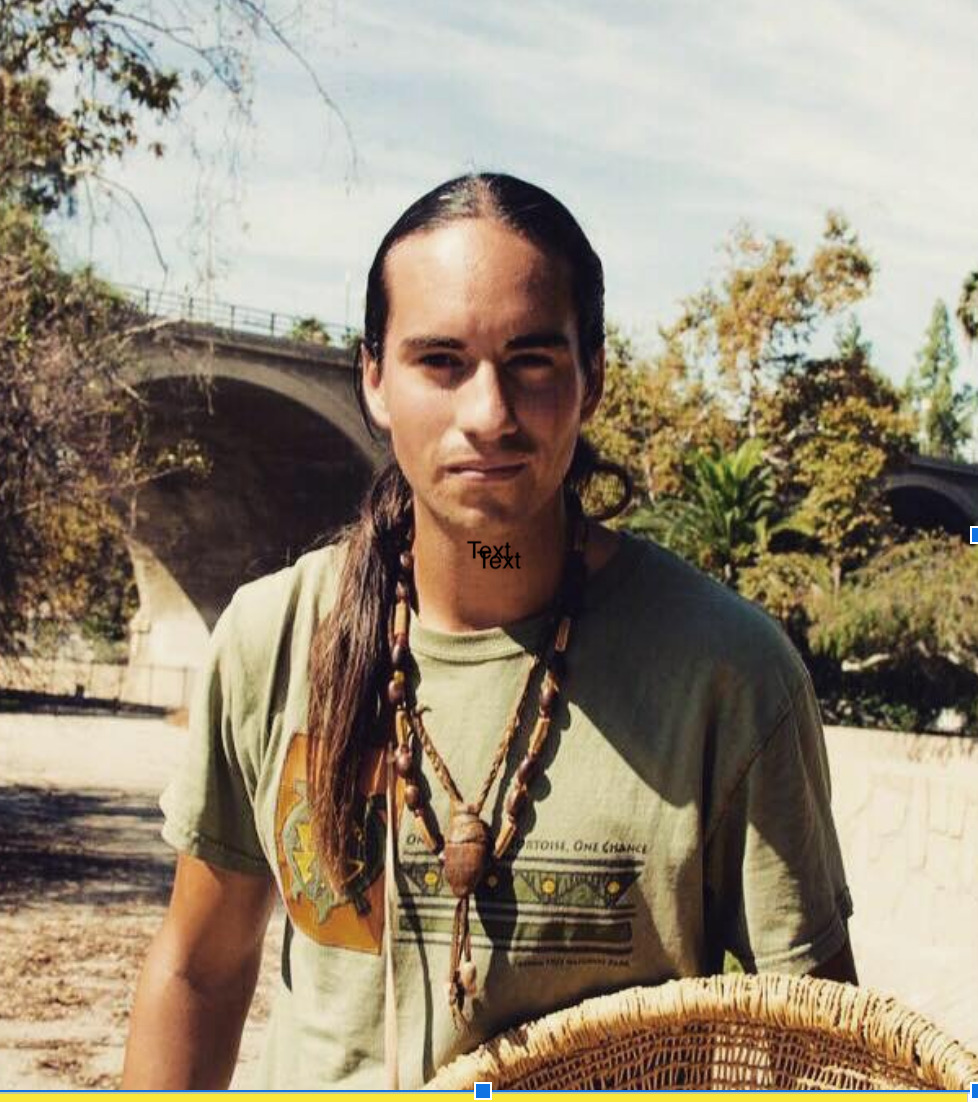
As he explained how cultural and natural resources were being destroyed. I couldn’t stop seeing it. I saw how few native plants survived, replaced with eucalyptus, palm trees, orange trees, black mustard, lawns. I started a tiny native garden on our curb strip. I volunteered with his nursery projects and assisted in his classes and workshops. I saw how he made teas from willow and sages; how he stratified seeds that needed to be chilled, or treated with a wisp of smoke; how he could identify dozens of native bees and butterflies, and their host plants.
His work needs to be a book, I thought. I asked if he would allow me to try to write his story for children. We began a collaboration neither of us imagined would take a decade. I had brought students to the rug and shared picture books for years. How hard could it be to write one, especially about real life? Hadn’t I written dozens of columns for HuffPo?
I started following Nick’s Instagram. By 2014, he had several years’ worth of spectacular posts about native plants and his relationship to the southern California natural world. His captions read like poetry. I pasted my favorites into a Word document. Soon I had a record in his own words, of a person writing honestly about his challenges, and deeply engaged with studying and learning. I brought my laptop to his workshops and volunteer events, adding notes to the document that became the basis for the story.
I wanted to use all the material!

My first versions were long, packed with facts, and read like a science magazine article. Writing in third person didn’t help. Changing the story from one written for adults to one written for children was, as we know, far more difficult than I had imagined. I couldn’t see how to integrate Nick’s personal story with the story of his restoration work. The two arcs were more complicated than I had the skill to weave in a simple and poetic way. Nick had to offer feedback on dozens of versions. I shared those versions at conferences and writing classes. People, including literary agents, were intrigued.
But I hadn’t written a picture book.
He had his child, and began collecting books for him. We talked about how few children’s books showed contemporary southern California Native culture.
I thought about the kinds of books Nick wanted to share with his son.
How could I make my story simple, so young readers could understand? And intimate, to invite young readers to connect with their own stresses and fears?
Thinking of the HuffPo interviews, I wondered about writing from first person. I enjoy interviews, columns and memoirs. I wanted readers to feel they were inhabiting the story with Nick, and that we too could contribute, one native plant at a time, from our school playgrounds or apartment balconies.
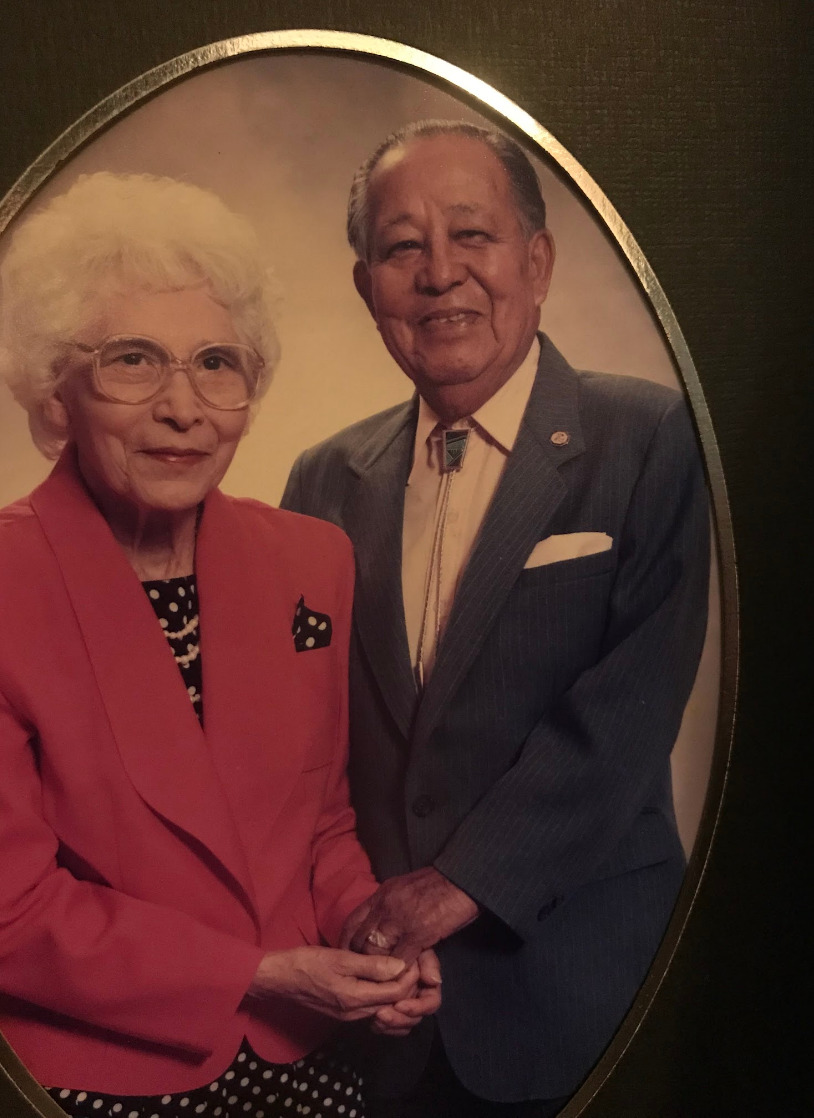
I was nervous about writing from the voice of a person of a different generation and gender, and from an underrepresented group whose identity I don’t share. But we were friends. I had spent time with his father and his grandmother, been to his baby shower, birthday parties. Most importantly, Nick was generous with his trust.
Finally, writing through Nick’s voice and thinking about how he would want to tell his story to his child and to other children allowed me to weave the strands of his work and his personal story. I was able to let go of the material from Nick’s posts and classes, and tell the story simply, as a hero’s journey.
With this version, Deborah Warren signed us, and we found an amazing home with Tamar Mays. Madelyn Goodnight captured the exact emotional quality of Nick’s story.
Knowing Nick has changed my relationship to where I live, and I hope following his story, told through his voice, offers that sense of connection to readers.

Don’t forget to leave to leave a comment to get in the drawing for a copy of CAN YOU HEAR THE PLANTS SPEAK? (US addresses only, please. Winner announced 6/28/24)
If you enjoy a book, please support authors and illustrators by taking a moment to leave reviews online. 😀


Loved reading about how this book came to be! Coincidentally, we’ve been trying to preach the gospel of native plants (and animals and insects) for a few decades now. On our own property, we’ve been eradicating non-native plants and putting in native ones. And inspired by that, I’m starting a surface pattern collection on native flora and fauna which I hope to be put on fabric, notebooks, etc. Oh, and I loooove Tamar Mays! I will have to read this book!
LikeLiked by 1 person
Teresa, I’d love to see what you’re doing in your yard on your ideas for patterns! And Tamar is amazing.
LikeLiked by 2 people
I just got started with it. 🙂 Here’s a post I did on Friday about it – https://teresarobeson.wordpress.com/2024/06/21/designs-for-nature-lovers/
LikeLiked by 1 person
This book collaboration is such a wonderful modeling of friendship and passion building a story out of friendship and knowledge. I am glad the book is out in the world in the right season. Thank you for sharing.
LikeLiked by 1 person
Cindy, thank you – Nick has been a powerful influence in my life.
LikeLiked by 1 person
My husband and I started taking our young daughter to workshops held at our local native nursery. They sold only native plants and herbs. The workshops focused on planting for wildlife as well as growing a garden for fruits and vegetables. They focused on identifying invasive plants and removing them from the environment. Over the years, our daughter’s love for planting, growing and harvesting plants for her family and wildlife grew. It’s never too late to plant a seed in a child and watch them blossom. Thanks for writing this book.
LikeLiked by 1 person
How cool! I hope native plant nurseries become more and more common.
LikeLiked by 1 person
This is a special and important book, and I love how it came to be. I hope CAN YOU HEAR THE PLANTS SPEAK? connects with many readers.
LikeLiked by 1 person
This story behind the story is fascinating. I love how knowledgeable and generous Nick was to help you get the book right for younger audiences. First person always pulls me in immediately. This topic will be very useful in classrooms too.
LikeLiked by 1 person
Thank you, Robin.
LikeLiked by 1 person
what a wonderful story to a wonderful book! Thank you!
LikeLiked by 1 person
Thank you, Danielle!
LikeLiked by 1 person
I enjoyed reading how this book came to be. It sounds wonderful! Congratulations, Nicholas and Madelyn.
LikeLiked by 2 people
Yes, they are amazing collaborators; I’m very lucky. Thank you.
LikeLiked by 1 person
Wow, what an interesting journey for you and Nick. Loved reading about your process. And, the subject matter is something I am very interested in. Look forward to reading your book because I know how interconnected all life forms are. Great post today!
LikeLike
What an amazing, inspiring story. Thank you, Julia, for sharing and congrats to you and Nicholas. It certainly changed your life and should bring important awareness to others. Good luck with it.
Great interview, Beth.
LikeLiked by 1 person
so important to connect kids emotionally to our natural world. This book sounds wonderful. I look forward to reading it and sharing with my grandsons.
LikeLiked by 1 person
Having been the student of an indigenous Greenlandic Elder for a time, your collaboration on this subject warms my heart. I hope to see more. Congratulations Julia, Nicholas, and Madelyn!
LikeLiked by 1 person