Though much of the fascinating information I glean from research never makes it into the story, some of it earns a place in back matter if it has the potential to engage and benefit educators, librarians, parents, and, most of all, young readers. Images and graphics are always a favorite!
GIVEAWAY! Leave a comment below to be entered for winner’s choice of my titles. ALSO let me know if you share on social media or with teachers for extra entries. AND if you ARE an active educator, please note that for 5 extra entries!
Part 2: Images and Graphics
Part 1 shared some of the back matter opportunities for kids to use critical thinking as they engage in learning objectives. Back matter text invites readers to connect to authors, illustrators, and characters, as well as connect past to present, their lives, and other texts. If you missed part 1, click HERE to explore opportunities for connections and some examples found in my books.
In Part 2, we’ll look at images and graphics in back matter. While these are especially engaging for visual learners and are more accessible than text for struggling readers, they tend to be irresistibly fascinating for everyone. They also support graphic literacy as students experience ways to organize and present information.
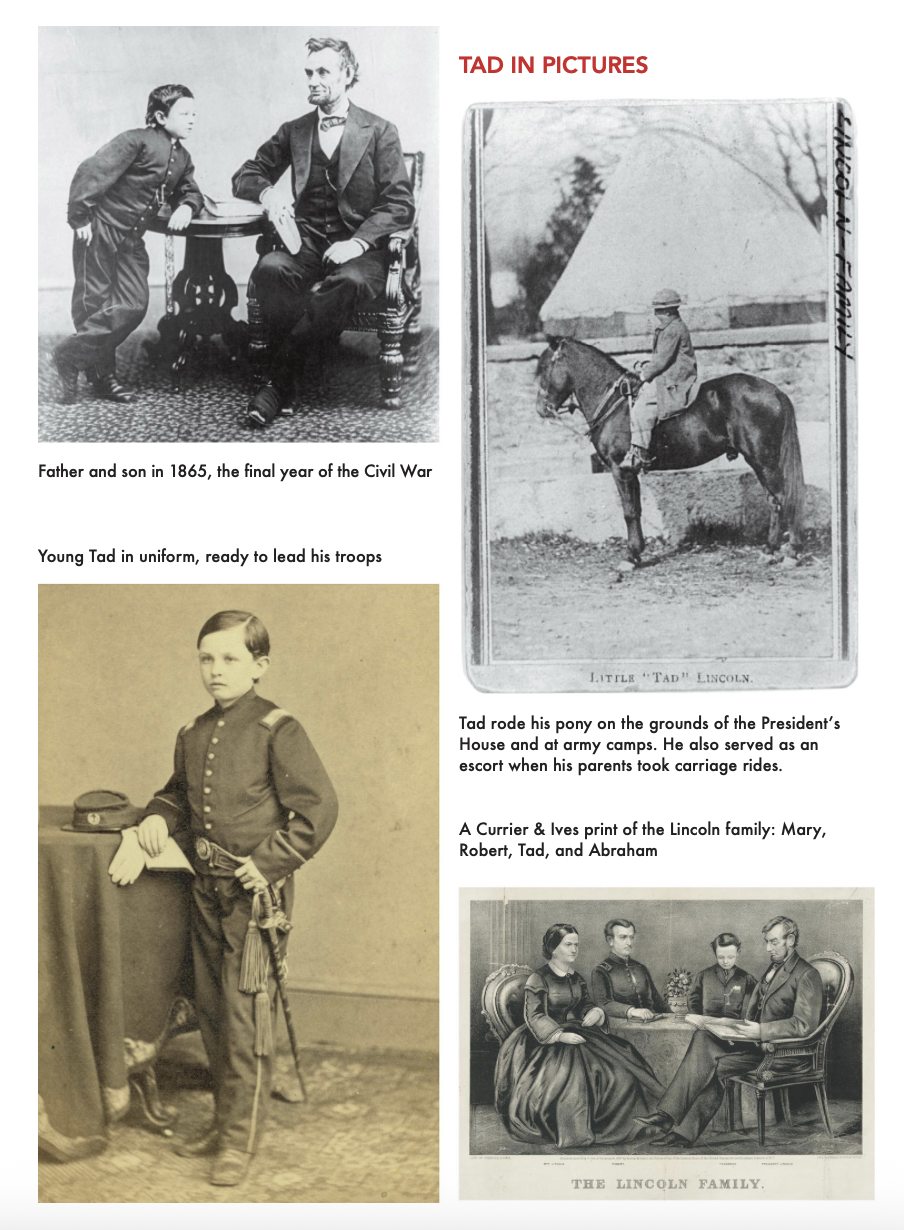
Photographs:
Photographs are great to use as discussion or writing prompts.
They’re perfect for practicing main idea and details.
Photographs are unintimidating and accessible primary sources that bring context and invite deeper understanding through visuals. Here’s a worksheet from the National Archives for students to analyze an image. https://www.archives.gov/education/lessons/worksheets/analyze-a-photograph-novice (Additional primary source worksheets are available for maps, artifacts, and more.)
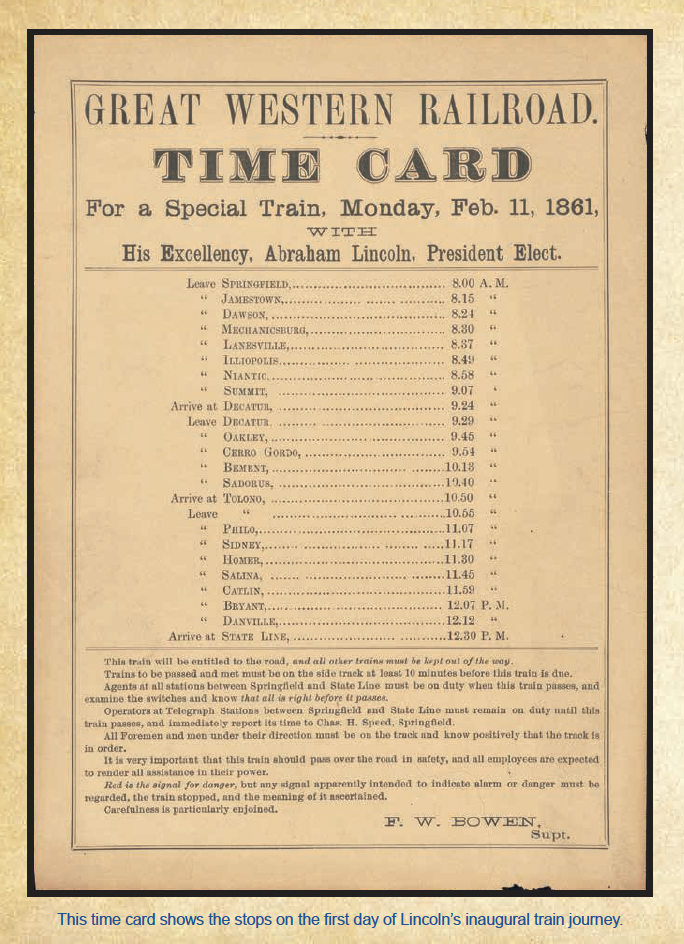
In addition to photographs of people, images of artifacts and objects widen understanding of story elements: character, conflict, and setting as students use critical thinking to draw conclusions, make inferences, and ask questions.
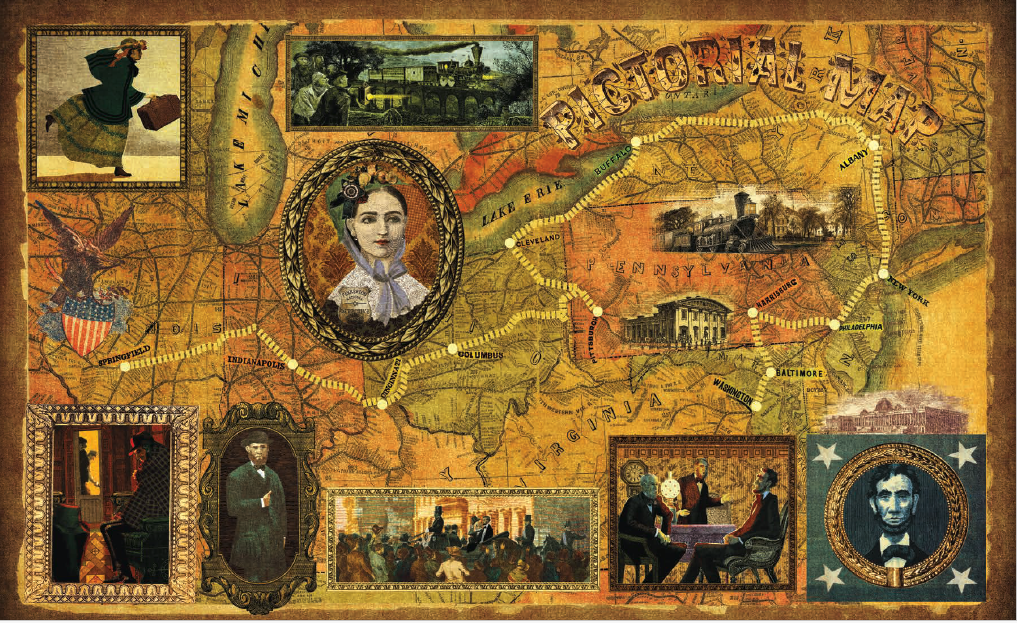
Graphics
Maps, charts, diagrams, schedules, and more expand understanding and provide experiences using varied information formats that also support functional literacy.
Graphics also cross curricular areas and may connect language arts skills to social studies, science, and math content and objectives. In some books, endpapers also serve as a source of information.
Timelines:
Timelines are a common back matter feature that lend themselves to working with sequence and cause and effect relationships.
Fact vs Opinion: Discuss a fact on the timeline and share opinions about the importance or impact of that event or action.
Evaluate and choose the most important date, event, or action. Explain your choice using textual evidence or real world knowledge.
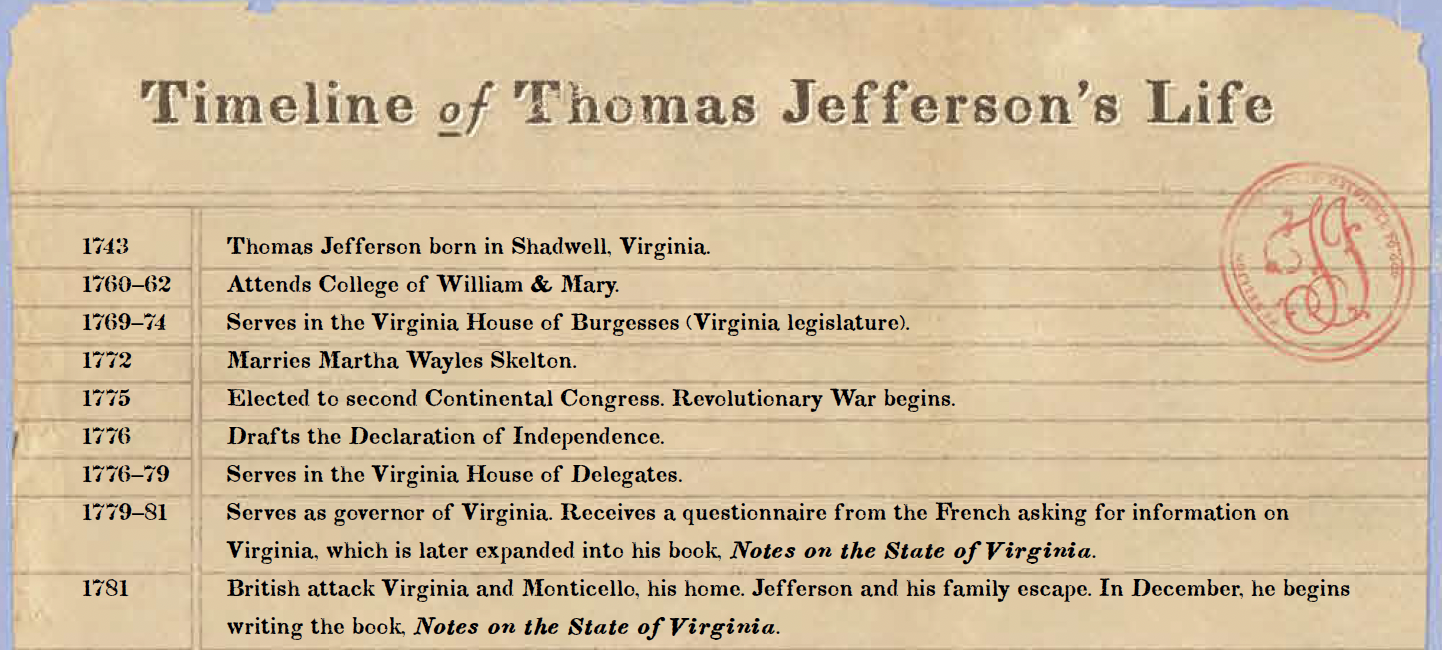
Connect across texts with bios of people who participated in the same events or who lived during the same time period to widen understanding of people, events, and places.
The large range of IMAGES AND GRAPHICS found in back matter invite many more classroom activities that can address language arts skills as well as content areas.
Stay tuned for Part 3: Research and More! – next week!
Don’t forget to leave a comment below to be entered for winner’s choice of my titles. ALSO let me know if you share on social media or with teachers for extra entries. AND if you ARE an educator, please note that for 5 extra entries! (US addresses only, please. 3 winners – one drawn from each post in the series – announced 8/22/25)


Thank you for all this. I find the back matter fascinating so I sometimes read all that first to build background knowledge and then read the rest of the book. I teach middle school and will soon start year 26. I will share this on social media.
LikeLiked by 2 people
You are a true back matter fan! Love that you go to it first sometimes. Thanks for sharing and am taking note for multiple entries. 🙂 Hope your year 26 is fantastic! I always found teaching middle school such an adventure.
LikeLike
I always appreciate the backmatter in nonfiction picture books. I will read through the book, then the backmatter, then reread the book to gain more insight into the subject. I shared this on Pinterest.
LikeLiked by 2 people
Another fan of back matter! YAY! I do think it supports a much more informed 2nd read of the story both with content and writing craft. Thanks for sharing! Extra entry for you!
LikeLiked by 1 person
I have photographs, information on what is fact and what is fiction, and a family tree in my End notes. I’m linking my next blog to these posts. They’re great, Beth1
LikeLiked by 2 people
I always enjoy the fact vs fiction pieces of back matter. Thanks for sharing on your next blog! Extra entry for you, too!
LikeLike
Love this topic and all the ideas! I can’t wait to share this with our librarian and our ELA specialists. Hopefully, they’ll note it in their beginning of the year newsletter! I so appreciate you taking the time to walk through these and share your knowledge and excitement for every part of a book. It’s all part of the big picture, you just shared ways to help us make it richer! LOVE, LOVE, LOVE!
LikeLiked by 1 person
So glad you find the series useful! 🩷📘 Be sure to comment on each of the 3 parts so you get multiple chances to win.:)
LikeLike
BETH: I REALLY LOVE the idea of CATCHING the reader’s eye and interest with images in the back matter. The use of pictures of items and artifacts from the subject’s life is a WONDERFUL way to draw the reader right into the subject’s life and times. I like the idea of combining text with images, as they balance and complement each other so well. It’s also a GREAT way to meet the needs of different kinds of learners, which is something writers need to keep in mind when creating our own back matter. THANK YOU!
LikeLiked by 1 person
Thanks so much, Natalie!
LikeLike
You know I love seeing how backmatter is used to extend a book’s usefulness in the classroom. And you also know I love this book!
LikeLiked by 1 person